
How to Plan and Budget for Your Bathroom Renovation in NZ
Introduction
Renovating a bathroom is one of the most impactful home improvement projects you can undertake, offering both immediate lifestyle benefits and long-term value enhancement. In New Zealand, where homes range from modern city apartments to classic Kiwi bungalows, thoughtful bathroom renovations not only elevate your daily living experience but also significantly boost property attractiveness and market value.
However, a successful bathroom renovation goes beyond merely choosing beautiful fixtures and finishes. Without careful planning and a realistic budget, renovations can quickly become stressful, costly, and time-consuming. A well-organised renovation ensures that your project stays on track, within budget, and delivers results that meet—or exceed—your expectations.
In this comprehensive guide, you’ll learn how to clearly define your renovation goals, accurately estimate and manage costs, select qualified professionals, and navigate local council requirements unique to New Zealand. We’ll also share practical tips for making smart choices about fixtures and materials, avoiding common pitfalls, and maintaining financial control throughout your renovation journey.
Whether you’re updating a dated space, enhancing functionality, or simply aiming for a stylish refresh, this guide will help you confidently plan and budget your bathroom renovation, ensuring the results are both rewarding and enduring.
Understanding Your Renovation Goals
Before you begin your bathroom renovation, it’s essential to clearly understand what you’re aiming to achieve. Renovations can be exciting, but without specific goals, projects can quickly become overwhelming, expensive, or fail to meet your expectations. Being clear about your objectives helps keep your project focused, practical, and satisfying.
Common Bathroom Renovation Goals in New Zealand
New Zealand homeowners typically renovate their bathrooms for one or more of the following reasons:
1. Enhancing Functionality:
Perhaps your current bathroom layout no longer suits your family’s lifestyle. You may need more storage, improved lighting, or better plumbing fixtures. For example, busy families often benefit from converting a single sink vanity into a double, or adding extra storage cabinets to reduce clutter.
2. Improving Accessibility:
For many Kiwi households, renovations are an opportunity to increase accessibility, especially for elderly family members or those with mobility challenges. Upgrades might include walk-in showers, grab rails, non-slip flooring, or wider doorways.
3. Updating Aesthetics:
Many renovations focus on refreshing outdated bathrooms with modern designs. Trends in New Zealand often lean towards natural textures, neutral colour palettes, and minimalist, streamlined fixtures. Revitalizing your bathroom can significantly boost your home’s appeal.
4. Increasing Property Value:
Bathroom renovations are consistently recognised as one of the most effective home improvement strategies for increasing property value in New Zealand. Buyers appreciate a fresh, functional, and contemporary bathroom, making it a smart investment for homeowners considering selling in the near future.
Clarifying Your Own Goals
To pinpoint your personal renovation objectives, ask yourself:
- What do you love and dislike about your current bathroom?
- Are you renovating for your own long-term comfort or to prepare for resale?
- Do you have specific needs regarding accessibility or safety?
- Are you focused mainly on aesthetic enhancements, functionality, or a balance of both?
Taking the time to reflect on these questions will help you create clear goals, ensuring your renovation will result in a bathroom that not only looks stunning but truly suits your household’s needs.
Researching and Gathering Inspiration
A bathroom renovation starts with a clear vision—and the best way to craft that vision is by exploring ideas, trends, and styles that resonate with you and your lifestyle. By investing some time into research, you’ll find it easier to communicate your ideas clearly to your renovation professionals, making the process smoother and the final results closer to your expectations.
Here’s how you can effectively gather inspiration for your bathroom renovation in New Zealand.
Explore the Latest Bathroom Trends in New Zealand
Trends evolve, and staying informed can ensure your bathroom renovation feels contemporary, stylish, and aligned with your preferences. Popular bathroom trends among New Zealand homeowners include:
- Nature-Inspired Spaces: Earthy tones, natural textures like timber and stone, and plenty of indoor plants to create a calming, organic feel.
- Minimalist Design: Clean lines, clutter-free layouts, and neutral colours to achieve a sleek, timeless look.
- Sustainable Choices: Eco-friendly fixtures such as low-flow taps, water-saving toilets, and energy-efficient lighting are increasingly popular.
- Luxury and Spa-Inspired Features: Freestanding bathtubs, heated flooring, rain showers, and premium fixtures to elevate your bathroom into a luxurious retreat.
Great Sources of Inspiration for Your Bathroom Renovation
To get started, dive into these resources, highly recommended by New Zealand homeowners and designers:
- Local Bathroom Showrooms:
Visiting showrooms allows you to experience fixtures and materials firsthand. Popular showrooms such as Mico, Plumbing World, and Reece offer extensive displays and expert advice, helping you visualize the possibilities realistically. - Online Platforms and Websites:
Websites like Pinterest, Houzz, and Instagram are treasure troves of ideas. Save images or create digital mood boards to keep your favourite designs organised and accessible. - Interior Design Magazines and Blogs:
Publications like Your Home & Garden, NZ House & Garden, and Habitat Magazine regularly showcase the latest local trends, innovative designs, and inspiring stories from real Kiwi homes.
Create a Vision Board to Clarify Your Ideas
Once you’ve gathered ideas from these sources, it’s helpful to organise your favourites into a vision board or mood board. A vision board simplifies communication with your renovation team by clearly illustrating your style preferences, desired colour palettes, textures, and overall feel.
Here’s a quick approach to creating an effective vision board:
- Digital Option:
Use tools like Pinterest or Canva to digitally compile your inspirations. This makes sharing with designers and contractors effortless. - Physical Option:
Collect magazine clippings, fabric swatches, paint samples, and tile options on a poster board. This tactile method can give you a more hands-on, immersive planning experience.
How Inspiration Helps Your Renovation Stay on Track
Clearly visualising your end goal from the start helps minimise misunderstandings and ensures consistency throughout the renovation process. With well-organised ideas, your bathroom project can proceed more smoothly, efficiently, and successfully—saving you time, money, and stress.
Quick Tip:
Always consider practicality alongside aesthetics. A stunning design is valuable, but the functionality and durability of your bathroom should also reflect your long-term needs and daily routine.
By thoughtfully exploring, collecting, and organising inspiration, you’ll ensure your bathroom renovation aligns perfectly with your vision, making the entire process enjoyable and rewarding.
Developing a Realistic Budget
Creating a detailed, realistic budget is one of the most critical steps in your bathroom renovation process. Without clear financial planning, it’s easy to overspend, underestimate costs, or encounter stressful surprises along the way. Here’s how to build an accurate and practical renovation budget tailored specifically for your New Zealand bathroom renovation.
Understanding Typical Bathroom Renovation Costs in New Zealand
Bathroom renovation costs in New Zealand vary significantly based on the scope, quality of materials, and whether you do it yourself or hire professionals. Here’s a general breakdown to help you set expectations:
- Basic Renovation (Cosmetic Update): $10,000–$20,000
- Mid-Range Renovation (Functional Upgrades & New Fixtures): $20,000–$35,000
- Premium Renovation (High-end Finishes & Structural Changes): $35,000–$60,000+
Detailed Breakdown of Typical Expenses
A clear breakdown helps you allocate your funds wisely and avoids overlooking important aspects. Here’s what your typical bathroom renovation budget might include:
1. Labour Costs (30-40% of your budget)
- Builder or Renovation Specialist
- Plumber
- Electrician
- Tiler
- Painter
2. Fixtures & Fittings (20-30%)
- Vanity and Cabinets
- Shower, Bathtub, Toilet, Basin
- Taps and Accessories
3. Materials (15-25%)
- Tiles and Flooring
- Waterproofing Materials
- Paint and Wall Treatments
4. Lighting and Electrical (5-10%)
- LED or Ambient Lighting Fixtures
- Ventilation Systems (extraction fans, heated towel rails)
- Power points and switches
5. Additional Costs (5-10%)
- Permits and Council Fees
- Waste Disposal and Skip Bin Hire
- Delivery and Transportation Fees
Why You Should Always Include a Contingency Fund
Unexpected issues, such as hidden plumbing problems, water damage, or unforeseen council regulations, frequently arise during bathroom renovations. To ensure you’re financially prepared, always allocate at least 10–15% of your total budget as a contingency fund. This buffer provides peace of mind, enabling you to handle surprises calmly without disrupting your overall renovation plan.
Tips for Keeping Your Budget Realistic and Manageable
- Get Multiple Quotes:
Always gather at least three detailed quotes from reputable local renovation specialists and tradespeople. This ensures competitive pricing and clarifies what’s included in each quote. - Prioritise Your Spending:
Allocate funds strategically—prioritise quality essentials like waterproofing, plumbing, and electrical work over purely decorative elements. - Track Your Expenses:
Keep a detailed record of your spending throughout your renovation using spreadsheets or budgeting apps. Regularly reviewing expenses helps you stay on track and adjust quickly if needed. - Be Realistic:
Aim for a budget that genuinely reflects your goals, resources, and the standard of finish you’re aiming for. Unrealistic budgets are a common cause of frustration and disappointment.
Quick Tip:
It’s beneficial to discuss your budget openly with your renovation professionals upfront. Experienced contractors can advise on areas where you can economise without sacrificing quality, ensuring you make informed financial decisions.
By carefully structuring your renovation budget from the outset, you’ll minimise financial stress and confidently bring your dream bathroom to life.
Financing Your Bathroom Renovation
Once you’ve clearly outlined your budget, the next crucial step is deciding how you’ll finance your bathroom renovation. Selecting the right financing option depends on your financial situation, goals, and renovation scope. In New Zealand, several practical and accessible financing methods are available. Here’s an overview to help you choose the best option.
1. Personal Savings
Using your personal savings is often the simplest and most cost-effective way to finance your renovation, as it avoids interest charges and potential fees. However, ensure you maintain sufficient savings for emergencies or unexpected costs beyond your renovation.
Pros:
- No interest or fees.
- Immediate availability without applications or approvals.
Cons:
- Depleting savings may impact financial security.
- Could limit funds for other priorities.
2. Personal Loans
A personal loan is an unsecured loan offered by New Zealand banks and lending institutions. They’re suitable for moderate-sized renovations and offer fixed repayment periods, making budgeting straightforward.
Pros:
- Quick approval process, often within days.
- Fixed repayments help manage monthly budgeting.
- No collateral required.
Cons:
- Higher interest rates compared to secured loans.
- Strict repayment schedules.
3. Home Equity Loans or Mortgage Top-Ups
Many New Zealand homeowners choose to tap into their home equity by extending or refinancing their existing mortgage. This is a common financing method for larger renovations.
Pros:
- Lower interest rates compared to personal loans.
- Potential tax advantages if the renovation enhances property value.
- Allows borrowing larger amounts.
Cons:
- Extends overall mortgage repayment period.
- Requires sufficient home equity and involves property valuation.
4. Renovation-Specific Finance Products
Several lenders in New Zealand offer specialised renovation loans or lines of credit tailored specifically for home improvements.
Pros:
- Designed specifically for renovation expenses.
- Flexible access to funds as you need them.
Cons:
- Interest rates and terms may vary; careful comparison is needed.
- May include setup or administrative fees.
Choosing the Right Option for Your Situation
To decide which financing option suits you best, consider:
- Cost of Finance: Evaluate the total interest and fees payable over the loan term.
- Repayment Flexibility: Assess how repayments fit your monthly cash flow.
- Time Frame: If you need funds quickly, options like personal loans could be ideal.
- Financial Impact: Consider the long-term impact on your financial stability and home equity.
Quick Tip:
Always shop around and compare loan options from multiple providers. Banks and financial institutions in New Zealand regularly offer competitive renovation-specific rates and promotions.
By thoughtfully exploring your financing choices, you’ll find a solution that comfortably fits your budget, ensuring your bathroom renovation progresses smoothly without compromising your financial health.
Selecting the Right Renovation Professionals
Choosing the right professionals for your bathroom renovation is essential to ensuring your project runs smoothly, stays within budget, and meets your quality expectations. In New Zealand, there are numerous skilled renovation specialists, but finding the perfect fit for your project requires careful consideration and thorough research. Here’s how to confidently select the ideal professionals for your bathroom renovation.
Identifying Qualified Bathroom Renovators in New Zealand
Start your search by seeking recommendations from family, friends, or colleagues who have recently undertaken renovations. Local community groups, online review platforms (such as Google Reviews or Builderscrack), and trade-specific sites can also be valuable resources.
Always prioritise contractors who:
- Are licensed building practitioners (LBPs) if structural work is involved.
- Have comprehensive insurance, including public liability and professional indemnity.
- Provide clear and transparent contracts.
Checking Credentials and Reputation
Before engaging a contractor, thoroughly evaluate their credentials and industry reputation:
- Credentials:
Verify that the renovators have relevant qualifications, certifications, and licenses appropriate to the work you require (e.g., plumbing, electrical, building). - References:
Request at least two or three recent references from completed projects. Follow up by asking these former clients about their experience, quality of work, adherence to timelines, and overall satisfaction. - Portfolio:
Ask to see examples or images of their previous bathroom renovation projects to gauge their style, workmanship, and attention to detail.
Key Questions to Ask Before Signing a Contract
When meeting potential renovation specialists, ask detailed questions to ensure clarity and avoid future misunderstandings:
- Experience: “How many years of experience do you have in bathroom renovations specifically?”
- Timeline: “How long do you anticipate the renovation will take, from start to finish?”
- Project Management: “Will you handle all aspects of the renovation, including coordination of subcontractors like plumbers and electricians?”
- Budget Management: “How do you handle unforeseen expenses or changes in scope?”
- Payment Structure: “What is your payment schedule, and what are the conditions for payments?”
- Warranty: “What type of warranty or guarantees do you offer on workmanship and materials?”
Understanding Contracts and Agreements
Before committing to a contractor, ensure you receive a clear, written contract that outlines:
- The full scope of work, detailing every task and responsibility.
- Clear timelines and milestones for project completion.
- Detailed payment schedules, including deposits and stage payments.
- Provisions for variations or additional work.
- Guarantees and warranties provided for workmanship and fixtures.
Review this contract carefully and clarify any points you don’t fully understand before signing.
Quick Tip:
Always trust your instincts alongside your research. Choose professionals who communicate effectively, listen attentively, and genuinely seem interested in achieving your renovation goals.
Taking the time to carefully select the right renovation professionals will significantly reduce stress, ensure quality outcomes, and ultimately help you create a bathroom that perfectly fits your vision and lifestyle.
Navigating New Zealand Council Regulations and Consents
When planning your bathroom renovation in New Zealand, understanding local council regulations and consent requirements is crucial. Ignoring these obligations can lead to delays, fines, or even having to redo completed work. Here’s how to smoothly navigate consent and compliance matters, ensuring your renovation proceeds without unnecessary complications.
When Do You Need a Building Consent?
In New Zealand, not every bathroom renovation requires council consent. However, consent is typically required when the renovation involves:
- Structural changes (moving or altering walls).
- Major plumbing work (such as relocating fixtures significantly).
- Changes to waterproofing, particularly tiled showers and wet areas.
- Significant electrical alterations or new electrical installations.
Conversely, minor cosmetic upgrades like changing tapware, replacing toilets, or updating cabinets usually don’t require consent.
How to Apply for a Building Consent
Applying for building consent involves several clear steps:
- Check with Your Local Council:
Regulations can vary slightly between councils. Contact your local council or visit their website to confirm specific requirements for your area. - Prepare Detailed Plans and Specifications:
Most councils require clear, professional plans outlining the work, materials, and standards to be followed. Consider hiring a draftsman or architect for more complex renovations. - Lodge Your Application:
Applications can usually be submitted online through your local council’s website. Ensure your application includes:- Detailed plans
- Project specifications
- Any required engineering reports.
- Pay Consent Fees:
Fees vary based on the project’s scope and your specific council’s rates, typically ranging from several hundred to a few thousand dollars. - Council Review and Approval:
Councils typically review applications within 20 working days. They might request further information or modifications before approving your consent.
Regional Considerations in New Zealand
Different regions in New Zealand can have unique considerations. Here are a few examples:
- Auckland:
Auckland Council has detailed online resources, and due to higher building activity, processing times might be slightly longer. Early application and thorough documentation help avoid delays. - Wellington and Christchurch:
These regions may have specific requirements related to earthquake strengthening or waterproofing due to local seismic activity or weather conditions.
Always check directly with your local council for region-specific guidelines.
Common Compliance Pitfalls to Avoid
To streamline the consent process and avoid common issues, remember to:
- Submit Accurate and Complete Documentation:
Mistakes or missing information significantly delay approval. - Use Qualified Professionals:
Ensure tradespeople, especially plumbers and electricians, hold appropriate certifications and are familiar with local building codes. - Arrange Necessary Inspections Promptly:
Throughout the renovation, council inspections are required at critical stages. Failing to arrange inspections can complicate approvals and lead to costly rework.
Quick Tip:
Engaging experienced bathroom renovators or contractors familiar with local regulations can greatly simplify the consent process, helping you stay compliant without added stress.
By proactively managing council consents and understanding local regulations, your renovation will proceed smoothly, helping you avoid costly delays and ensuring your completed bathroom meets all safety and compliance standards.
Creating a Detailed Project Timeline
A well-structured renovation timeline is just as important as having a solid budget. It keeps your project organised, ensures tradespeople are scheduled efficiently, and helps manage your household routine during the renovation. Whether you’re doing a minor update or a full-scale bathroom transformation, having a clear timeline will reduce stress and prevent delays.
How Long Does a Bathroom Renovation Take in New Zealand?
The duration of a bathroom renovation can vary depending on the size, complexity, and whether structural or consented work is involved. Here’s a general guide for typical bathroom renovation timeframes:
- Simple Cosmetic Upgrade: 1–2 weeks
(e.g., replacing vanity, fittings, and repainting) - Standard Renovation: 3–4 weeks
(e.g., replacing fixtures, retiling, minor layout changes) - Full Renovation with Structural Work: 5–8 weeks
(e.g., moving walls, full waterproofing, plumbing and electrical upgrades, tiling, council inspections)
Keep in mind that timelines can be extended by factors like delayed material delivery, contractor availability, or council inspection scheduling.
Stages of a Bathroom Renovation Timeline
Below is a typical step-by-step process for a full bathroom renovation:
1. Planning and Design (1–2 weeks)
- Finalise layout and design.
- Choose materials, fixtures, and colours.
- Confirm quotes and sign contracts.
2. Council Consent and Approvals (if required) (3–4 weeks or more)
- Submit application.
- Await processing and approval.
3. Demolition and Site Preparation (2–4 days)
- Remove old fixtures, tiles, and fittings.
- Prep walls, floors, and structure.
4. Plumbing and Electrical Rough-Ins (1 week)
- Install new pipes, drainage, wiring, and electrical points.
5. Waterproofing and Inspections (3–5 days)
- Apply waterproof membrane.
- Schedule and pass council inspection (if needed).
6. Tiling and Wall Finishes (1 week)
- Lay tiles and complete grouting.
- Paint walls or install wall panels.
7. Fixture Installation and Fit-Off (3–5 days)
- Install vanity, toilet, shower, lighting, and accessories.
8. Final Inspection and Cleanup (1–2 days)
- Check all work is completed to specification.
- Clean up site and remove waste.
Managing Your Household During the Renovation
Bathroom renovations can be disruptive, especially if it’s the only bathroom in your home. Consider the following to minimise inconvenience:
- Temporary Arrangements:
Set up a temporary bathroom space or coordinate with neighbours/family if needed. - Schedule Wisely:
Plan your renovation during a less busy season or when you can be flexible with your daily routine. - Stay Informed:
Maintain regular communication with your contractor to stay updated on progress, changes, or delays.
Quick Tip:
Build flexibility into your timeline. Even the best-planned renovations can face unforeseen delays, so avoid scheduling critical events (like guests arriving) immediately after the projected completion date.
With a detailed, realistic project timeline in place, you’ll feel more in control throughout the renovation. It not only helps keep everyone accountable but also ensures you achieve a well-executed and timely result.
Smart Choices for Fixtures and Materials
Choosing the right fixtures and materials is a critical part of your bathroom renovation. These choices not only influence how your bathroom looks and feels but also determine its durability, functionality, and long-term maintenance needs. In New Zealand’s unique climate and lifestyle context, smart selections can significantly enhance both comfort and value.
Focus on Durability and Moisture Resistance
Bathrooms are exposed to constant moisture, temperature changes, and daily wear. That means durability should always be a top priority—especially in areas like Auckland, Wellington, or Christchurch, where weather and humidity can vary.
When selecting materials, consider:
- Moisture-Resistant Flooring: Porcelain or ceramic tiles are excellent choices as they are waterproof and low maintenance. For a warmer feel, vinyl plank or engineered timber with waterproof properties can also work.
- Waterproof Wall Finishes: Look for acrylic panels, bathroom-grade paint, or fully tiled walls. They resist mould and are easy to clean.
- Ventilation-Friendly Fixtures: Opt for extractor fans, window vents, and heated mirrors to combat condensation and reduce mildew.
Choosing the Right Fixtures
Quality fixtures not only enhance aesthetics but also offer better performance and longer lifespans. Here’s what to keep in mind for the main items:
1. Shower Units
- Frameless glass showers provide a sleek, modern look.
- Consider tiled showers with linear drains for a more luxurious feel.
- Look for pressure-balanced valves to ensure consistent water temperature.
2. Bathtubs
- Freestanding baths create a focal point and suit larger bathrooms.
- Built-in options work well for compact spaces and allow for tiled surrounds.
- Choose materials like acrylic or stone resin for durability.
3. Toilets
- Dual-flush models are water-efficient and environmentally friendly.
- Wall-hung toilets are space-saving and make cleaning easier.
4. Vanities and Storage
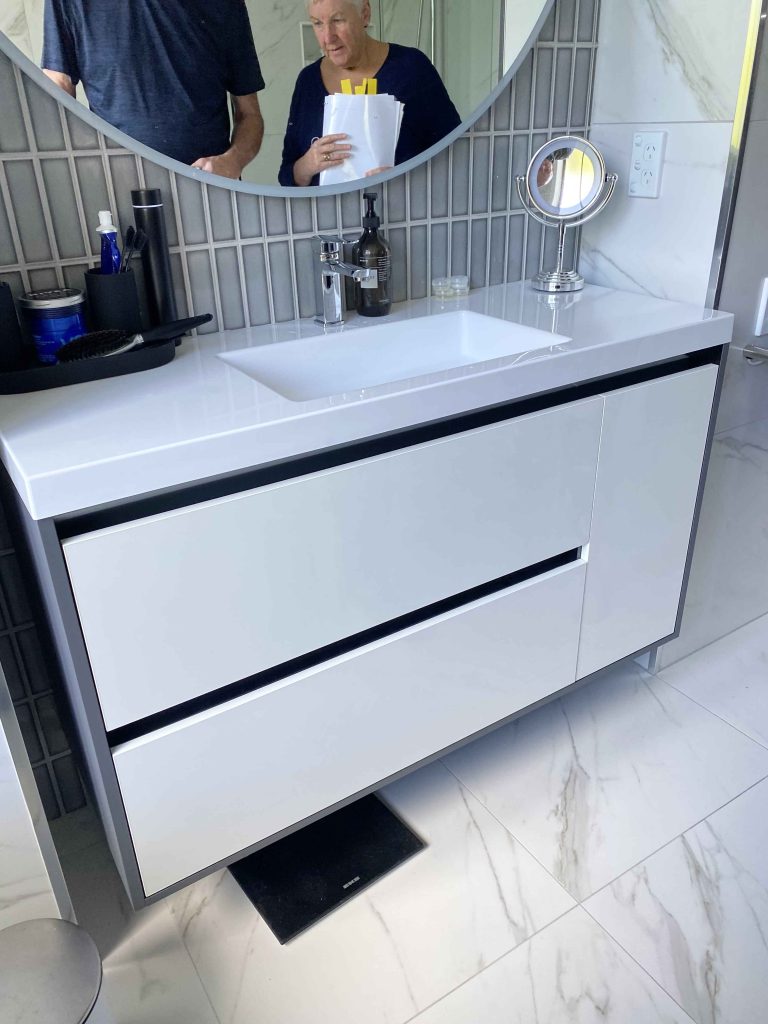
- Wall-hung vanities add visual space and make cleaning floors easier.
- Choose water-resistant MDF or plywood cabinets with moisture-proof coatings.
- Add mirrored storage cabinets for extra space and functionality.
5. Tapware and Accessories
- Opt for New Zealand-certified products that meet water efficiency standards (WELS rating).
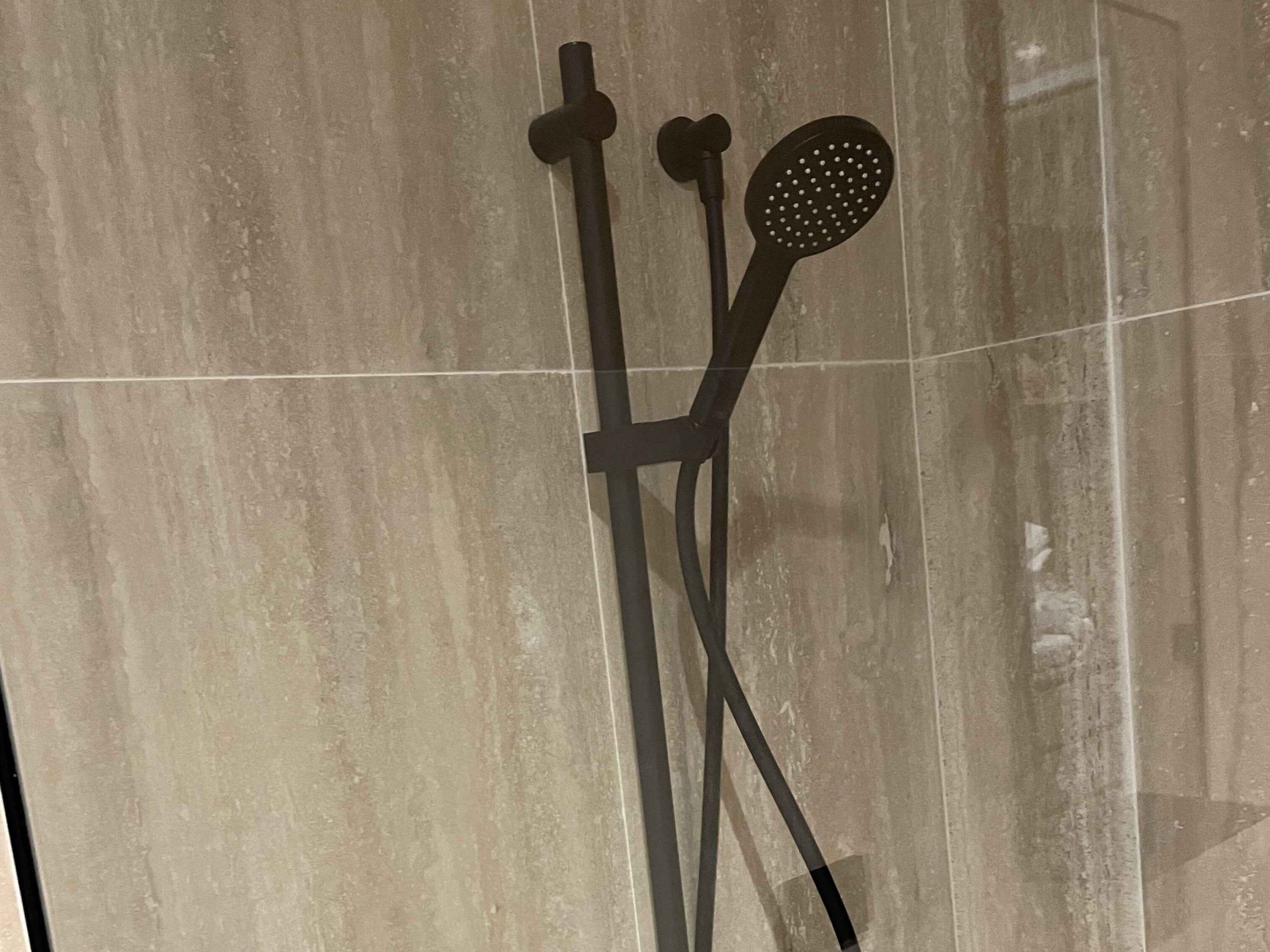
- Brushed nickel and matte black finishes are popular and low-maintenance.
- Match finishes across taps, handles, towel rails, and shower heads for a cohesive look.
Balancing Quality and Budget
You don’t always need to buy the most expensive items to achieve a high-quality result. Here’s how to strike a balance:
- Invest where it matters: Prioritise spending on essential items like waterproofing, plumbing hardware, and high-use fixtures.
- Look for sales or clearance deals: Suppliers like Mitre 10, Mico, and Plumbing World often run seasonal promotions.
- Mix premium and budget: Combine a few statement pieces (like a designer tap or freestanding bath) with standard tiles or fixtures to elevate the look without overspending.
Choosing a Cohesive Style
Consistency in design helps create a visually appealing, well-thought-out space. When selecting materials and fixtures:
- Stick to a unified colour palette (e.g., soft neutrals or bold monochromes).
- Coordinate tile shapes and sizes for balance.
- Choose a style that matches your home’s overall aesthetic—whether it’s coastal, contemporary, or heritage.
Quick Tip:
Ask your contractor or supplier for product samples to see how materials look and feel in your bathroom’s natural lighting before committing.
By making thoughtful, well-informed choices about fixtures and materials, you’ll not only enhance your bathroom’s style but also ensure it functions beautifully for years to come. Smart planning in this stage is a powerful way to future-proof your investment.
Practical Ways to Save on Costs Without Sacrificing Quality
Bathroom renovations can be expensive, but that doesn’t mean you need to cut corners or compromise on quality. With smart planning, thoughtful choices, and a bit of creativity, you can achieve a stylish, functional bathroom while staying within your budget. Here are practical, tried-and-tested ways to save money on your bathroom renovation in New Zealand—without regretting your decisions later.
1. Keep the Existing Layout If Possible
One of the biggest cost drivers in bathroom renovations is moving plumbing and electrical systems. Relocating toilets, showers, and vanities often involves complex (and expensive) plumbing and drainage work.
Tip:
If your current layout works, keep the main fixtures in the same positions. Instead, update them with modern, water-efficient versions to refresh the space while keeping plumbing costs low.
2. Mix and Match High-End and Budget-Friendly Fixtures
You don’t have to splurge on every item. Invest in a few standout features—like a designer tap or premium tiles—and balance the rest with cost-effective, good-quality alternatives.
Examples:
- Use standard subway tiles for most walls, and add a feature wall with textured or coloured tiles.
- Pair a budget vanity with an upgraded mirror or lighting fixture to elevate the look.
3. Shop Smart: Take Advantage of Sales and Discounts
Bathroom suppliers in New Zealand frequently offer discounts, clearance deals, or bulk-buy promotions. Keep an eye on sales at places like Mitre 10, Reece, Mico, or Placemakers.
Tip:
Sign up for newsletters and follow local suppliers on social media to stay informed about upcoming deals and seasonal promotions.
4. Reuse or Refurbish Where Appropriate
Before discarding your existing fixtures, consider whether any can be reused, refurbished, or resold to recover costs. For example:
- A solid timber vanity can be sanded and painted for a fresh new look.
- Existing tapware may only need new washers or finishes to work like new.
- Mirrors, towel rails, or cabinets may still be in great shape with a simple clean or repaint.
5. DIY Where It’s Safe and Legal
While plumbing and electrical work should always be done by licensed professionals in New Zealand, there are safe tasks homeowners can DIY to save on labour costs, such as:
- Demolition and rubbish removal
- Painting and priming walls
- Installing simple accessories like towel rails or shelves
- Assembling and installing flat-pack furniture
Important:
Always check with your contractor before taking on any DIY tasks to ensure it won’t interfere with timelines or warranties.
6. Choose Cost-Effective Materials That Still Look Great
Modern manufacturing has made it easier than ever to find affordable materials that look high-end. Consider:
- Large-format porcelain tiles that mimic natural stone
- Laminate benchtops with stone-look finishes
- Prefabricated shower units instead of fully tiled showers
These options often offer great aesthetics at a fraction of the cost—plus they’re easier to maintain.
Quick Tip:
Set aside a small portion of your budget as a “flex fund” for unexpected upgrades or must-have finishes you fall in love with along the way.
With strategic planning and smart decisions, it’s entirely possible to create a beautiful, high-quality bathroom on a sensible budget. By focusing on value—not just cost—you’ll end up with a space that’s both affordable and enduringly stylish.
Alchemy Bathrooms
Monitoring and Adjusting Your Budget as You Go
Even with a well-planned budget, it’s normal for bathroom renovations to encounter surprises. Whether it’s a hidden plumbing issue, a change in material pricing, or an unexpected design tweak, being able to track and adapt your spending in real time is key to avoiding financial stress. Staying flexible and proactive with your budget ensures you maintain control—no matter what your renovation throws at you.
Why Ongoing Budget Tracking Matters
Your initial renovation budget provides a solid starting point, but real costs often shift once the project begins. Keeping a close eye on actual vs. projected spending helps you:
- Prevent small overruns from snowballing into major overspends.
- Make timely decisions about where to cut or adjust.
- Ensure enough funds remain for finishing touches and unforeseen expenses.
Simple Ways to Track Your Spending
You don’t need complex software to stay organised—just a consistent system. Here are a few easy tools:
- Spreadsheets (Excel or Google Sheets):
Create categories (labour, materials, fittings, etc.) and record actual costs against your estimates. - Budgeting Apps:
Tools like PocketSmith (NZ-based), YNAB, or Goodbudget allow you to monitor expenses from your phone in real-time. - Shared Checklists with Contractors:
Use Google Docs or Trello to collaborate with your builder and get updates on upcoming costs or material changes.
Recognising When and Where to Adjust
During your renovation, you may find that some areas go under budget while others run over. Being flexible allows you to reallocate funds without compromising the overall result.
Examples of when to adjust:
- If your chosen tiles are out of stock, selecting a similar option at a lower price may free up budget for a nicer vanity.
- If waterproofing takes longer than expected and adds labour costs, consider trimming optional upgrades like high-end tapware or extra lighting.
Key Strategy:
Protect your contingency fund until the project is near completion. Use it only for genuine surprises—not for impulse upgrades.
Communicate Regularly with Your Contractor
Clear communication with your renovation team is essential for avoiding misunderstandings and unapproved expenses. Set expectations early on:
- Request regular budget updates.
- Agree on how any cost variations will be approved (preferably in writing).
- Ask for invoices or receipts to match against your records.
Final Budget Review Before Completion
As your renovation nears the end, conduct a final review of your budget:
- Have all contractor payments been accounted for?
- Are any outstanding materials or fittings still to be paid?
- Have warranties and guarantees been included in the final costs?
This step ensures you’re not left with lingering financial surprises after the work is finished.
Quick Tip:
Always plan for at least 10–15% extra in your budget for contingencies. If you don’t need it, it becomes a bonus that you can reinvest in other parts of your home—or save!
By actively monitoring your budget throughout the renovation process, you can make smarter decisions, avoid last-minute stress, and complete your bathroom project with financial confidence and peace of mind.
Conclusion
Planning and budgeting for a bathroom renovation in New Zealand is a process that requires thoughtful preparation, informed decision-making, and clear goals. From setting your vision and understanding your needs to carefully selecting fixtures, managing your finances, and choosing the right professionals, every step plays a vital role in shaping the final outcome.
Whether you’re updating a tired bathroom to improve everyday comfort or investing in a full-scale transformation to increase your property’s value, a successful renovation starts with a solid foundation. By researching thoroughly, building a realistic budget, staying organised, and avoiding common mistakes, you’ll not only save money and time—you’ll also end up with a bathroom that feels both functional and inspiring.
Remember, this guide is designed to empower you with practical, people-first information based on real New Zealand renovation experiences. Every home and household is unique, and your renovation journey should reflect your personal lifestyle, values, and goals.
Final Tip:
Don’t rush the process. Take your time to plan properly, compare options, and consult trusted professionals. A well-planned renovation today leads to peace of mind and satisfaction for years to come.
With the right preparation, your bathroom renovation can be an exciting and transformative project—one that enhances not just your home, but your daily life. Alchemy Bathroom Renovations Auckland provides free
