
The Ultimate Guide To Bathroom Renovations in NZ
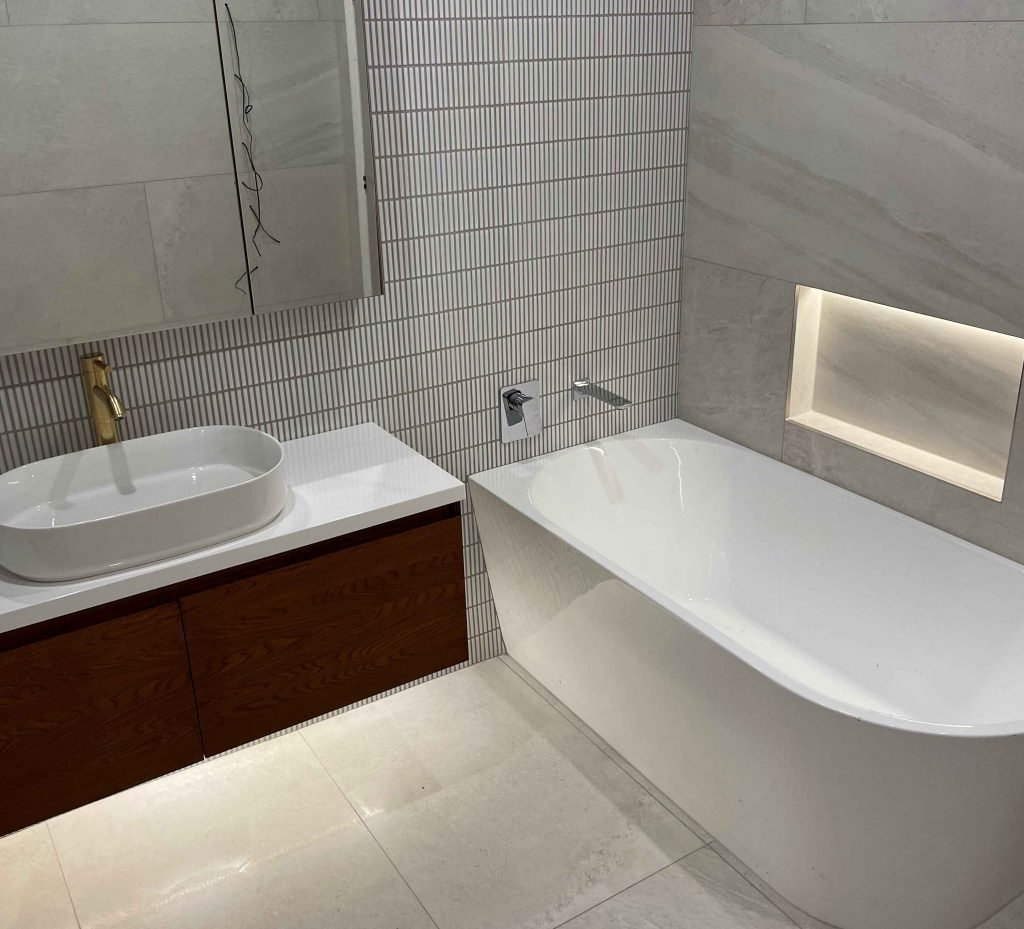
Bathroom renovations have become one of the most transformative and value-adding home improvement projects for New Zealand homeowners. The focus has shifted beyond aesthetics—modern bathrooms now balance beauty, functionality, sustainability, and compliance with increasingly detailed building standards. Whether you’re a homeowner in Auckland upgrading your ensuite, a landlord renovating for tenant appeal, or a rural DIYer refreshing a tired family bathroom, this guide is built to give you the clarity and confidence to move forward.
Why is a bathroom renovation such a big deal today? First, it’s one of the most frequently used rooms in the home, and outdated or poorly designed bathrooms can make everyday life frustrating. From leaky fittings to limited storage and poor ventilation, these issues not only affect comfort but can also impact your property’s resale value. A well-executed bathroom reno can completely rejuvenate how you experience your home—and how others value it.
New Zealand’s housing market, climate conditions, and building codes create a unique environment for renovations. It’s not just about picking pretty tiles or a modern tap—it’s about ensuring waterproofing meets NZ standards, plumbing is updated safely, and ventilation is efficient enough to combat humidity in regions like Auckland, Tauranga, or the West Coast.
This guide dives deep into every detail: planning your layout, understanding local regulations, choosing the right materials, managing your budget, hiring qualified professionals, and avoiding costly mistakes. Each section is designed to give you practical advice and region-specific knowledge, whether you’re planning a small refresh or a complete remodel.
Let’s begin your journey toward creating a bathroom that’s not only beautiful—but smart, efficient, compliant, and built to last.
Why Renovate Your Bathroom?
New Zealanders are renovating their bathrooms for more than just style upgrades—they’re prioritising wellness, efficiency, and adaptability to modern life. Whether you’re renovating out of necessity or desire, there are several compelling reasons to take the plunge this year.
1. Outdated Functionality and Layout
Many older NZ homes still have compact, poorly designed bathrooms that simply don’t meet the needs of today’s households. From awkward layouts to minimal storage and cramped showers, these limitations impact your day-to-day comfort. A renovation gives you the chance to reimagine how you use the space, making it more practical and user-friendly.
2. Improved Water Efficiency
Water conservation is a growing priority, particularly as councils across the country consider metering and tighter environmental regulations. Modern tapware, toilets, and showers come with high WELS (Water Efficiency Labelling Scheme) ratings that help reduce water use without compromising performance. Renovating allows you to replace older fittings that may be wasting water—and money.
3. Preventing Moisture Damage and Mould
New Zealand’s damp climate makes bathrooms a prime location for hidden issues like leaks, rising damp, and black mould. These problems are often symptoms of poor waterproofing or inadequate ventilation. Renovating gives you the opportunity to start fresh—installing proper membranes, extractor fans, and drainage systems to protect your home’s structure and your health.
4. Boosting Property Value
A well-designed bathroom is one of the most sought-after features for buyers and renters alike. According to NZ property analysts, a modern, stylish bathroom can yield a return on investment of up to 70% during resale. Even in a slowing market, an updated bathroom adds desirability, especially in competitive suburbs like Ponsonby, Mt Eden, or Merivale.
5. Adapting to Lifestyle Changes
Perhaps your family has grown, your mobility needs have changed, or you want to age-in-place. Renovations can make bathrooms more accessible—think walk-in showers, support rails, or wheelchair-friendly layouts. These upgrades not only improve liveability but also future-proof your home for the years ahead.
6. Aesthetics and Personal Enjoyment
Let’s not forget the power of design. Bathrooms today are more than utility spaces—they’re personal sanctuaries. Incorporating warm lighting, natural textures, calming colours, and tactile materials can turn your bathroom into a relaxing retreat. Renovation allows you to express your style and create a space that feels truly yours.
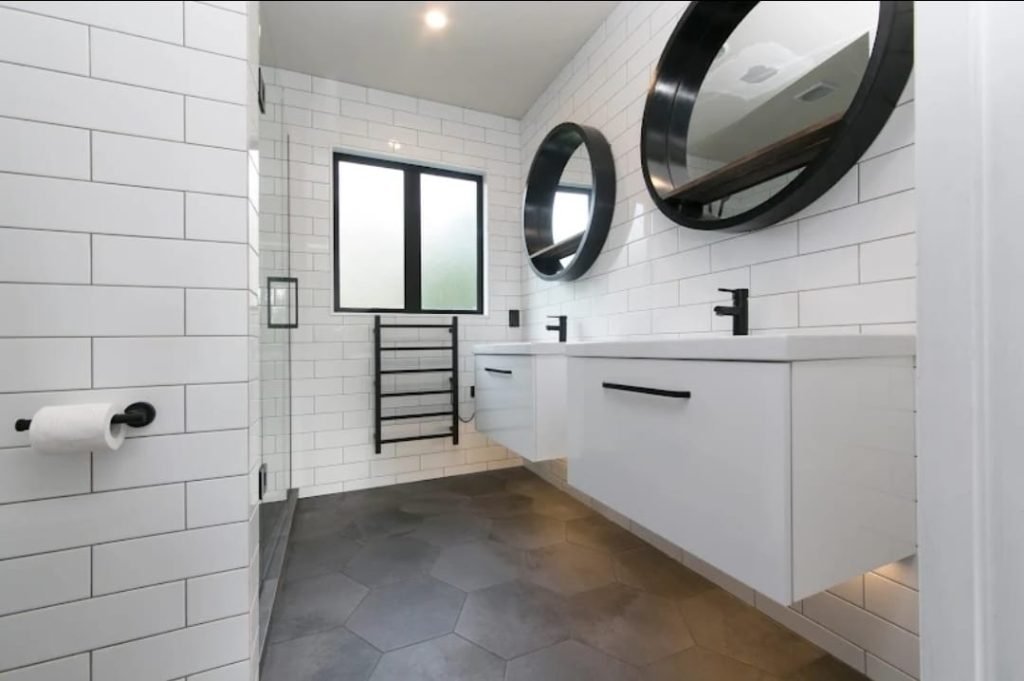
Why Renovate Your Bathroom?
New Zealanders are renovating their bathrooms for more than just style upgrades—they’re prioritising wellness, efficiency, and adaptability to modern life. Whether you’re renovating out of necessity or desire, there are several compelling reasons to take the plunge this year.
1. Outdated Functionality and Layout
Many older NZ homes still have compact, poorly designed bathrooms that simply don’t meet the needs of today’s households. From awkward layouts to minimal storage and cramped showers, these limitations impact your day-to-day comfort. A renovation gives you the chance to reimagine how you use the space, making it more practical and user-friendly.
2. Improved Water Efficiency
Water conservation is a growing priority, particularly as councils across the country consider metering and tighter environmental regulations. Modern tapware, toilets, and showers come with high WELS (Water Efficiency Labelling Scheme) ratings that help reduce water use without compromising performance. Renovating allows you to replace older fittings that may be wasting water—and money.
3. Preventing Moisture Damage and Mould
New Zealand’s damp climate makes bathrooms a prime location for hidden issues like leaks, rising damp, and black mould. These problems are often symptoms of poor waterproofing or inadequate ventilation. Renovating gives you the opportunity to start fresh—installing proper membranes, extractor fans, and drainage systems to protect your home’s structure and your health.
4. Boosting Property Value
A well-designed bathroom is one of the most sought-after features for buyers and renters alike. According to NZ property analysts, a modern, stylish bathroom can yield a return on investment of up to 70% during resale. Even in a slowing market, an updated bathroom adds desirability, especially in competitive suburbs like Ponsonby, Mt Eden, or Merivale.
5. Adapting to Lifestyle Changes
Perhaps your family has grown, your mobility needs have changed, or you want to age-in-place. Renovations can make bathrooms more accessible—think walk-in showers, support rails, or wheelchair-friendly layouts. These upgrades not only improve liveability but also future-proof your home for the years ahead.
6. Aesthetics and Personal Enjoyment
Let’s not forget the power of design. Bathrooms today are more than utility spaces—they’re personal sanctuaries. Incorporating warm lighting, natural textures, calming colours, and tactile materials can turn your bathroom into a relaxing retreat. Renovation allows you to express your style and create a space that feels truly yours.
Why Renovate Your Bathroom?
New Zealanders are renovating their bathrooms for more than just style upgrades—they’re prioritising wellness, efficiency, and adaptability to modern life. Whether you’re renovating out of necessity or desire, there are several compelling reasons to take the plunge this year.
1. Outdated Functionality and Layout
Many older NZ homes still have compact, poorly designed bathrooms that simply don’t meet the needs of today’s households. From awkward layouts to minimal storage and cramped showers, these limitations impact your day-to-day comfort. A renovation gives you the chance to reimagine how you use the space, making it more practical and user-friendly.
2. Improved Water Efficiency
Water conservation is a growing priority, particularly as councils across the country consider metering and tighter environmental regulations. Modern tapware, toilets, and showers come with high WELS (Water Efficiency Labelling Scheme) ratings that help reduce water use without compromising performance. Renovating allows you to replace older fittings that may be wasting water—and money.
3. Preventing Moisture Damage and Mould
New Zealand’s damp climate makes bathrooms a prime location for hidden issues like leaks, rising damp, and black mould. These problems are often symptoms of poor waterproofing or inadequate ventilation. Renovating gives you the opportunity to start fresh—installing proper membranes, extractor fans, and drainage systems to protect your home’s structure and your health.
4. Boosting Property Value
A well-designed bathroom is one of the most sought-after features for buyers and renters alike. According to NZ property analysts, a modern, stylish bathroom can yield a return on investment of up to 70% during resale. Even in a slowing market, an updated bathroom adds desirability, especially in competitive suburbs like Ponsonby, Mt Eden, or Merivale.
5. Adapting to Lifestyle Changes
Perhaps your family has grown, your mobility needs have changed, or you want to age-in-place. Renovations can make bathrooms more accessible—think walk-in showers, support rails, or wheelchair-friendly layouts. These upgrades not only improve liveability but also future-proof your home for the years ahead.
6. Aesthetics and Personal Enjoyment
Let’s not forget the power of design. Bathrooms today are more than utility spaces—they’re personal sanctuaries. Incorporating warm lighting, natural textures, calming colours, and tactile materials can turn your bathroom into a relaxing retreat. Renovation allows you to express your style and create a space that feels truly yours.
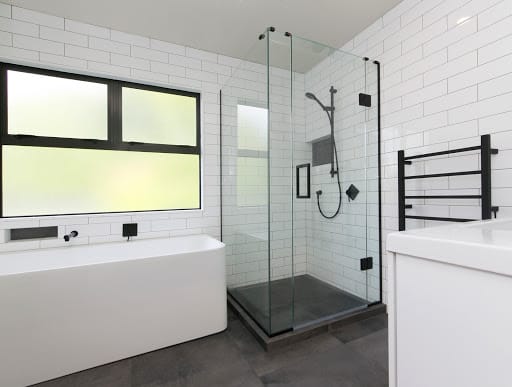
NZ Building Regulations and Consent Requirements
Before you pick out tiles or schedule a demolition date, it’s crucial to understand New Zealand’s building regulations. Unlike cosmetic upgrades such as repainting or installing a mirror, most bathroom renovations—especially those involving plumbing, electrical work, or layout changes—are subject to legal requirements under the Building Act 2004 and the New Zealand Building Code.
1. When is Building Consent Required?
In general, building consent is required if your renovation includes:
- Moving or adding plumbing fixtures (e.g., relocating a toilet or shower)
- Replacing or installing drainage systems
- Making structural changes (e.g., removing walls or reinforcing floors)
- Changing room use (e.g., converting a laundry into a bathroom)
- Modifying ventilation systems or adding extractor fans
If you’re only replacing like-for-like fittings in their existing positions (such as upgrading an old basin to a new one), you likely won’t need consent. However, it’s always wise to consult your local council to confirm before starting any work.
2. Understanding Restricted Building Work (RBW)
Restricted Building Work refers to tasks that are considered critical to the structure and weather tightness of a building, and must be carried out by a Licensed Building Practitioner (LBP). This includes:
- Structural framing that supports the bathroom
- Waterproofing of wet areas like showers and floors
- Any building work in multi-unit dwellings or high-risk zones
Using licensed professionals ensures the work meets the performance standards set out in the Building Code, and also protects you legally in case issues arise.
3. Waterproofing Compliance (Clause E3)
Clause E3 Internal Moisture of the NZ Building Code outlines specific requirements for wet areas. It ensures water doesn’t damage other parts of your home. A certified waterproofer must:
- Use approved membranes and techniques
- Issue a producer statement (PS3 or PS4) for council sign-off
- Ensure continuity of seal between floor and wall junctions
Non-compliance can result in council refusal to sign off your Code Compliance Certificate (CCC) or costly remediation later.
4. Ventilation and Energy Requirements
Clause G4 requires adequate ventilation in all bathrooms—either via an openable window or a mechanical extractor fan that vents to the outside. Bathrooms that lack effective ventilation may lead to mould, paint damage, and eventual rot. Under Clause H1, renovations must also consider energy efficiency where relevant—especially for lighting and heated towel rails.
5. Council Variations and Documentation
Each council in New Zealand may have slightly different expectations for documentation, inspection, and fees. In cities like Auckland, Wellington, or Christchurch, renovation consent applications can now be submitted via digital portals. Make sure your plans include:
- Scope of works
- Layout drawings
- Plumbing and drainage schematics
- Product specifications (e.g., fan airflow ratings)
6. Consequences of Skipping Consent
Renovating without the required consent can have long-term consequences:
- Difficulties selling or insuring your home
- Penalties and fines from the local council
- Expensive corrective work down the track
- Invalidation of warranties and guarantees
Tip: Always check your local council’s website or speak to a renovation professional before beginning any building work. Compliance is not just a box to tick—it’s the foundation of a safe, durable, and legally sound bathroom.
How Much Does a Bathroom Renovation Cost in New Zealand?
Understanding the cost of a bathroom renovation is crucial for planning a successful and stress-free project. In New Zealand, renovation expenses vary significantly based on factors like location, bathroom size, material selection, and whether you’re working with existing plumbing or starting from scratch.
Typical Cost Ranges in
| Renovation Level | Estimated Cost (NZD) | Description |
|---|---|---|
| Basic Upgrade | $12,000 – $18,000 | Surface-level updates; keeping layout and plumbing intact |
| Mid-Range Remodel | $18,000 – $30,000 | New fixtures, partial layout changes, custom finishes |
| High-End Renovation | $30,000 – $50,000+ | Designer fittings, premium tiles, layout reconfiguration |
These are average estimates and may vary depending on your region and builder availability. Renovations in larger cities like Auckland and Wellington tend to cost more due to higher labour and material costs.
Key Cost Factors
1. Labour
Labour usually accounts for 40–50% of the total cost. This includes:
- Licensed plumber and electrician fees
- Waterproofing and tiling experts
- Builder or renovation company charges
Hourly rates range from $85 to $150 depending on the trade and location.
2. Fixtures and Fittings
Your choice of fittings dramatically impacts your budget:
- Toilets: $500 – $2,000+
- Vanities: $800 – $4,000+
- Showers: $1,000 – $5,000+
- Tapware: $200 – $1,000 per set
Premium brands and imported finishes like brushed brass or matte black will cost more but offer long-term durability and visual appeal.
3. Tiling and Waterproofing
Expect to pay:
- Tiling: $85 – $150 per square metre
- Waterproofing: $800 – $1,500 for a standard bathroom
Larger format tiles or custom tile patterns can increase laying costs due to the precision required.
4. Demolition and Waste Removal
Removing old fittings, tiles, and wall linings costs between $1,000 – $2,500. Be sure to include waste disposal and skip bin hire in your budget.
5. Project Management and Design
If you’re using a bathroom renovation company, their services often include:
- Concept design
- Budgeting and procurement
- Scheduling and project coordination
Project management typically adds 10–15% to the total cost—but can help avoid costly mistakes and delays.
Budget Planning Tips
- Start with a clear scope: Know exactly what you want to achieve before collecting quotes.
- Get 2–3 itemised quotes to compare apples with apples.
- Add a contingency of at least 10–15% for unexpected costs (e.g., water damage, longer drying times).
- Time it smartly: Renovating during off-peak seasons (like winter) may get you better rates or faster turnaround.
Cost Example: A Mid-Range Bathroom in Auckland
A standard 2.5m x 3m bathroom remodel in Auckland could look like this:
| Item | Estimated Cost |
|---|---|
| Demolition & Removal | $1,500 |
| Plumbing & Electrical | $5,000 |
| Waterproofing & Tiling | $6,000 |
| Fixtures (toilet, vanity, etc.) | $8,000 |
| Labour | $6,000 |
| Project Management | $2,000 |
| Total Estimate | $28,500 |
Hidden Costs to Watch For
- Upgrades to outdated electrical or plumbing
- Floor levelling and repairs
- Council consent application fees
- Accommodation (if bathroom is out of service for long)
- Delivery or freight for specialty items
By understanding these variables and preparing a realistic budget, you’ll be in a much stronger position to manage your project smoothly. Investing time in the planning stage can save you thousands down the line—and result in a bathroom you’ll enjoy for decades.
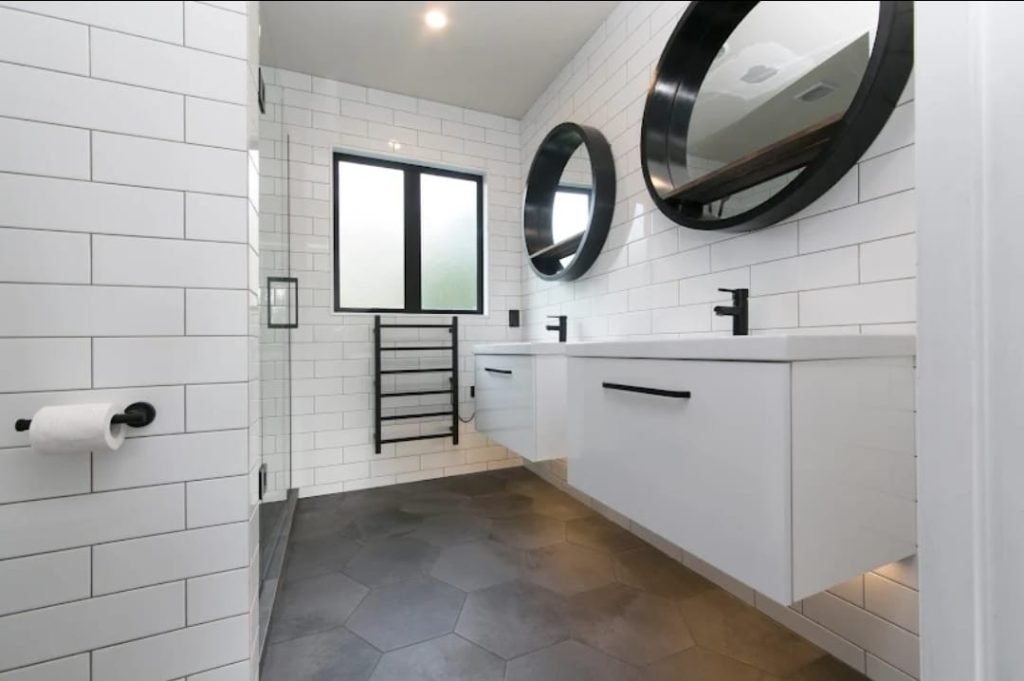
Designing the Perfect Layout
A well-planned layout is the cornerstone of a successful bathroom renovation. It determines how functional, comfortable, and visually appealing your space will be—not to mention how easily it complies with New Zealand’s plumbing and building standards. In 2025, the trend is not just about aesthetics but about practical, user-friendly design that makes the most of every square metre.
Assess Your Existing Space First
Before sketching out ideas or visiting showrooms, start by evaluating:
- The dimensions of your current bathroom
- Placement of existing plumbing and electrical wiring
- Access to natural light and ventilation
- Any structural limitations (e.g., concrete floors, external walls)
Working with the existing plumbing layout can significantly reduce costs. However, if the current arrangement is inefficient or cramped, it may be worth the expense to reposition fixtures.
Popular Bathroom Layouts in New Zealand Homes
1. Three-Piece Layout
Ideal for small bathrooms and renovations on a tight budget, this layout includes a toilet, vanity, and shower or bath all along one wall or in close proximity. It minimises plumbing changes and simplifies the design.
2. Four-Piece Layout
Includes separate bath and shower units in addition to the toilet and vanity. This configuration works well for family bathrooms and adds luxury, especially in larger homes.
3. Wet Room Design
A growing trend in NZ, wet rooms remove barriers like shower doors and trays, creating a seamless, open-plan space that is easy to clean and highly accessible. They require excellent waterproofing and drainage, making them more expensive to build—but highly modern and efficient.
4. Toilet in Separate Room
A separate WC room (often adjacent or nearby) is common in Kiwi homes. It enhances privacy and is more functional for households with multiple occupants.
5. Ensuite with Dual Access
In multi-generational homes or rentals, you might consider an ensuite that opens to both the main bedroom and hallway—boosting both privacy and convenience.
Tailor the Layout to Your Lifestyle
The best layout reflects how you use the bathroom. Consider:
- Do you share the bathroom during morning routines?
- Is it used by children, elderly parents, or guests?
- Do you prefer a bath or just a large shower?
- Do you need space for storage or a laundry nook?
These factors should inform everything from the width of your vanity to the placement of your power outlets.
Optimising Space in Small Bathrooms
Even a compact bathroom can feel spacious with clever planning:
- Use wall-hung vanities and toilets to free up floor area.
- Install a niche shelf inside the shower to avoid clutter.
- Choose sliding doors instead of swinging ones.
- Opt for light colours and mirrors to make the space feel bigger.
A good design doesn’t just save space—it enhances it.
Balance Between Aesthetics and Plumbing Practicality
One of the most common layout mistakes is choosing style over practicality. Moving plumbing stacks or drainage points can be expensive, especially if your home is built on a concrete slab. Working with a licensed designer or renovation specialist can help you strike the right balance—keeping the layout attractive but cost-effective.
Layout Trends in 2025
Some emerging layout ideas in New Zealand this year include:
- Zoned layouts that divide the bathroom into dry (vanity) and wet (shower, bath) areas
- Tiled walk-in showers with no doors or trays
- Floating cabinetry to give the illusion of space
- Mirror walls and backlit features to enhance depth and ambiance
These trends not only improve functionality but also future-proof your renovation in terms of style and market appeal.
Final Tips for Planning Your Layout
- Sketch your design to scale or use free bathroom design software
- Consider future needs—mobility, kids, or resale potential
- Leave adequate clearance for door swings, drawers, and fixtures
- Don’t forget towel rails, robe hooks, and lighting positions
- Always consult with a professional to check your plan complies with NZ building regulations
With the right layout, your bathroom won’t just look good—it’ll live well. Comfort, functionality, and flow are the real markers of a great design, and a smart layout will ensure your new bathroom delivers on all three.
Popular NZ Bathroom Styles in 2025
Bathroom design in New Zealand has evolved from purely functional to a sophisticated expression of personal style. In 2025, Kiwi homeowners are leaning into calm, curated, and cohesive spaces that reflect both international design trends and Aotearoa’s unique natural environment. Whether you’re renovating a city townhouse, a beachside bach, or a countryside villa, these popular bathroom styles offer inspiration to create a space that’s as stylish as it is practical.
1. Japandi: Minimalist Meets Natural Warmth
The Japandi style—a fusion of Japanese simplicity and Scandinavian coziness—is dominating bathroom design in NZ this year. Think:
- Clean lines and uncluttered surfaces
- Warm wood tones (oak, walnut, bamboo)
- Neutral earthy palettes (beige, taupe, stone)
- Freestanding tubs and wall-hung vanities
- Soft, ambient lighting with natural finishes
Japandi is ideal for those seeking a timeless and serene space. It’s also perfect for smaller bathrooms, as its minimalist aesthetic helps maintain a sense of openness.
2. Coastal and Beach-Inspired Spaces
Reflecting New Zealand’s vast coastline and laid-back lifestyle, coastal-inspired bathrooms are especially popular in regions like the Coromandel, Tauranga, and Bay of Islands.
Design elements include:
- Pale blues, soft greys, and crisp whites
- Natural textures like rattan, driftwood, and linen
- Subway tiles or handmade ceramic feature walls
- Plenty of natural light and breezy airflow
- Matte white tapware or brushed nickel finishes
This style is casual yet elegant—making your bathroom feel like a private seaside retreat, even if you’re landlocked.
3. Urban Industrial Chic
In cities like Auckland and Wellington, industrial design continues to trend—especially in modern apartments and high-end renovations.
Key features:
- Exposed plumbing or piping (in black or copper)
- Concrete or stone-look tiles
- Black framed shower screens or glass dividers
- Floating vanities with matte black or brass tapware
- LED mirror lighting or wall-mounted sconces
Industrial bathrooms blend grit with polish, and work especially well with compact spaces when combined with minimalist cabinetry and mirrors.
4. Organic Modern
The organic modern look pairs sleek design with warm, natural elements—a favourite among homeowners looking for something modern, but not cold.
Signature features:
- Natural stone basins or benchtops
- Timber-grain cabinetry and soft neutral tones
- Oversized format tiles with natural texture
- Wall-hung vanities and concealed cisterns
- Minimalist fixtures in brushed gold or gunmetal
This style brings the outdoors in—ideal for eco-conscious renovators and lovers of texture and tone.
5. Timeless Classic
For homeowners aiming for longevity and wide appeal—especially in resale scenarios—a timeless bathroom style never goes out of fashion.
Popular combinations:
- White subway tiles with dark grout
- Shaker-style vanities in navy, white, or grey
- Chrome or brushed nickel fittings
- Traditional tapware with cross-head handles
- Wall sconces and framed mirrors
A classic look offers broad market appeal, especially for family homes or investment properties.
Feature Trends to Watch in 2025
Regardless of the overarching style, these design elements are in high demand across New Zealand bathrooms this year:
- Backlit mirrors and LED strips for layered lighting
- Curved edges on vanities, mirrors, and baths
- Large-format tiles with minimal grout lines
- Natural greenery—hanging plants, vertical gardens, and living walls
- Smart storage solutions—niche shelves, in-wall cisterns, and pull-out drawers
- Tactile surfaces—think terrazzo, ribbed timber, or tumbled marble
Style Tip: Marry Form With Function
Don’t fall into the trap of choosing a beautiful design that doesn’t suit your lifestyle. A minimalist wet room may look stunning on Pinterest, but could feel cold or impractical in a busy family home. When selecting your style, ask:
- Will this be easy to maintain?
- Is it adaptable for future resale?
- Does it work with my lighting and ventilation setup?
- Can I easily source materials locally?
A well-executed bathroom style should not only reflect your taste—but also enhance the liveability of your home.
Choosing Fixtures and Fittings
Fixtures and fittings are the functional centrepieces of your bathroom. They directly impact how your space looks, feels, and performs. From sleek tapware to practical vanities, your selections need to balance aesthetics with long-term durability and compliance with New Zealand standards. In 2025, innovation in bathroom hardware has made it possible to achieve beautiful form without sacrificing efficiency or function.
1. Tapware: Style Meets Water Efficiency
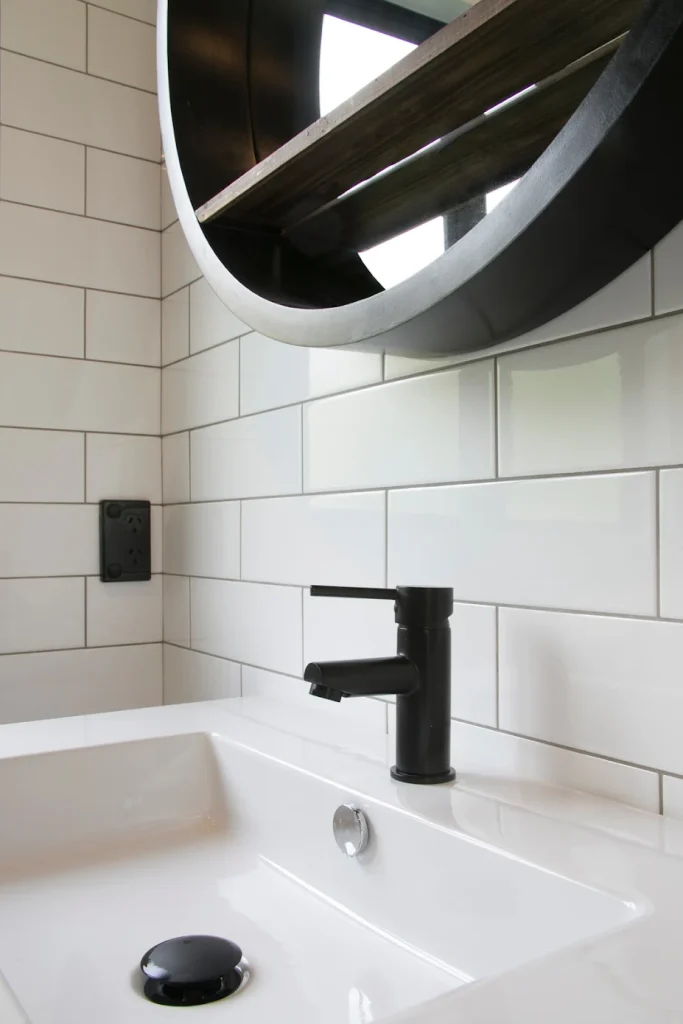
Tapware sets the tone for your bathroom’s style. In 2025, popular finishes in New Zealand include matte black, brushed brass, gunmetal, and classic chrome. While style matters, performance and compliance are equally critical.
Look for:
- Tapware with a high WELS (Water Efficiency Labelling Scheme) rating
- Durable materials like brass internals or ceramic disc cartridges
- Compatibility with your water pressure system
Wall-mounted tapware continues to trend in both contemporary and minimalist spaces. However, countertop and deck-mounted mixers are still common in traditional layouts.
2. Toilets: Design, Hygiene, and Performance
Today’s toilets offer far more than basic function. Dual-flush systems are now standard, and many homeowners are upgrading to rimless bowls or wall-hung models for improved hygiene and aesthetics.
Key features to consider:
- Water-saving dual-flush cisterns (with WELS 4-star or 5-star ratings)
- Rimless designs for easier cleaning and fewer germs
- In-wall cisterns for a clean, minimalist look
- Soft-close seats and antibacterial coatings
Wall-faced or concealed cistern toilets are especially popular in modern homes, offering a streamlined profile and saving space.
3. Showers: Layout and Experience
A well-designed shower can make your bathroom feel luxurious. Frameless glass panels remain a favourite in 2025, helping create open, seamless wet areas. Larger shower enclosures with twin heads are gaining popularity, particularly in family bathrooms or shared ensuites.
Things to look for:
- Thermostatic mixers for consistent temperature control
- Rain shower heads combined with handheld attachments
- Low-profile or tiled shower trays for a modern aesthetic
- Water-efficient options with high WELS ratings
For smaller bathrooms, corner enclosures or sliding shower doors help maximise space without sacrificing comfort.
4. Vanities: Style with Storage
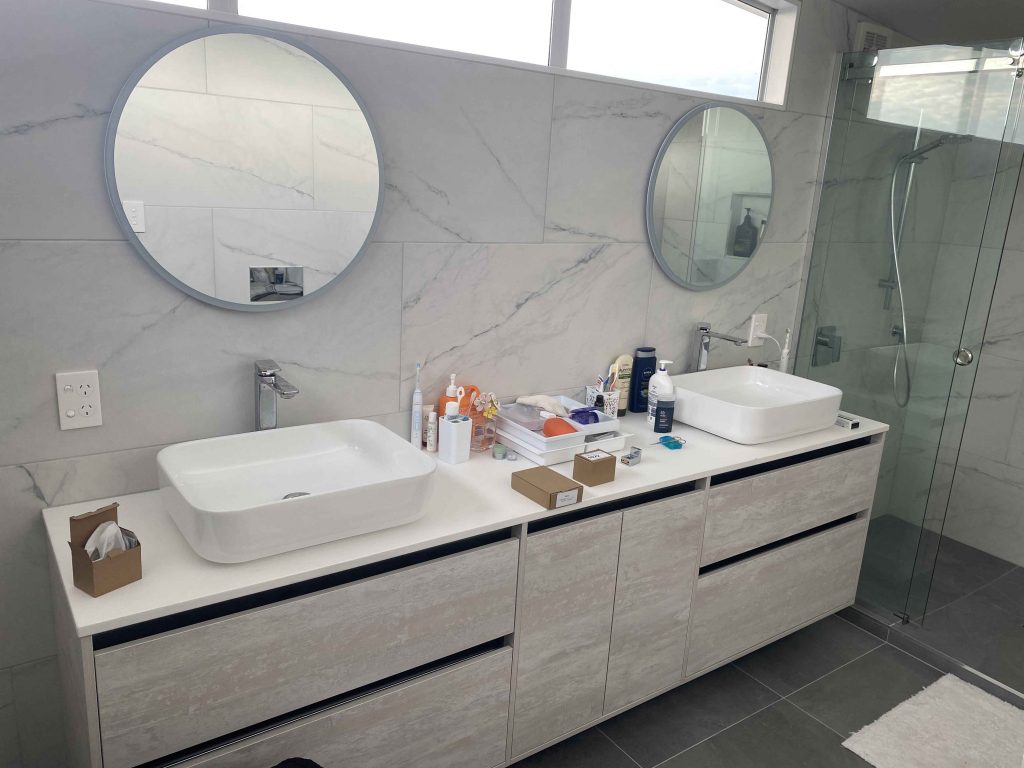
The vanity is both a visual focal point and a major source of storage. Wall-hung vanities are favoured for their space-saving benefits and modern appearance. Floor-mounted options are still a solid choice for traditional designs or when additional storage is needed.
Material options include:
- Engineered stone or solid-surface tops for durability
- Moisture-resistant melamine or plywood cabinetry
- Soft-close drawers and under-basin organisers
Custom-made vanities are ideal if you have unusual wall dimensions or want to integrate special features like double sinks or tower cabinets.
5. Baths: Freestanding or Built-In?
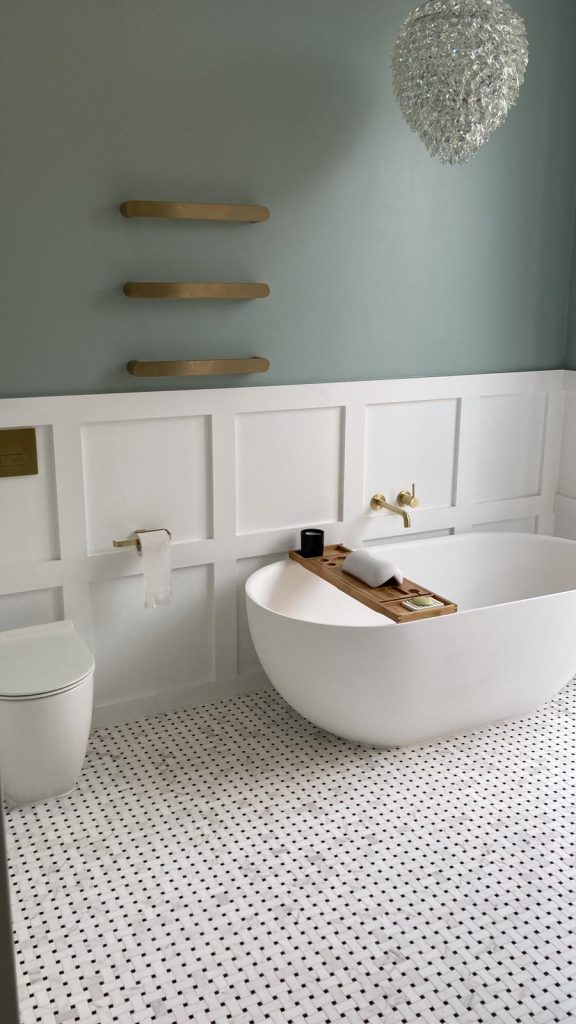
If you have the space, a bath adds both luxury and resale appeal. Freestanding tubs are particularly popular in master ensuites or high-end renovations, while built-in baths offer practical benefits in family homes.
When choosing a bath, consider:
- Space and floor strength (freestanding tubs can be heavy)
- Material (acrylic, stone, or enamelled steel)
- Shape (oval for softness, rectangular for modern symmetry)
- Placement in relation to windows and ventilation
Shower-over-bath combos remain common in smaller homes, especially when a separate shower isn’t feasible.
6. Towel Rails, Lighting, and Accessories
It’s easy to overlook the small details, but they make a big difference in usability and comfort.
Essential fittings to include:
- Heated towel rails (wired or plug-in) for winter convenience
- Soft-glow LED mirror lighting or touch-sensitive backlit mirrors
- Robe hooks, toilet roll holders, and soap dispensers in matching finishes
These elements bring cohesion to your design and ensure a polished, professional finish.
7. Sourcing Quality Products
When purchasing fixtures and fittings in New Zealand, always:
- Check for New Zealand Standards compliance and warranties
- Choose reputable local suppliers or certified international brands
- Ensure fittings are compatible with your home’s plumbing and water pressure
Leading NZ brands such as Methven, Caroma, Englefield, and Robertson provide products tailored to local regulations and offer strong after-sales support.
Fixtures and fittings are where design meets function. They’re touched, seen, and used every day—so choose items that will stand up to wear, moisture, and time. Investing in quality, water-efficient, and well-coordinated fittings will elevate the entire renovation and ensure your new bathroom looks great and performs beautifully for years to come.
Waterproofing and Ventilation
Waterproofing and ventilation are the unsung heroes of every successful bathroom renovation. While they may not be as visible as vanities or tiles, they are absolutely essential for the long-term integrity, health, and performance of your bathroom. In New Zealand’s damp and variable climate, overlooking these elements can lead to costly repairs, mould growth, and building code compliance issues.
1. Why Waterproofing Matters
Bathrooms are classified as wet areas, and without proper waterproofing, water can easily seep into walls, floors, and structural elements. This can cause:
- Rot in timber framing
- Lifting tiles or swollen cabinetry
- Mould and mildew
- Costly structural damage
In New Zealand, all waterproofing must comply with Clause E3 of the NZ Building Code, which focuses on preventing moisture penetration in wet areas.
2. Areas That Must Be Waterproofed
According to industry best practice and building code guidelines, the following must be waterproofed:
- Floors and walls in shower enclosures
- Bathroom floors where a tiled shower is open or curbless
- Splash zones around baths, vanities, and basins
- Any horizontal surface where water may pool (window sills, shelf tops)
Even if your bathroom has a fully enclosed shower, it’s smart to extend waterproofing to adjacent areas for extra protection.
3. Types of Waterproofing Systems
The most commonly used systems in New Zealand include:
- Liquid-applied membranes: These are painted or rolled on and then cured to form a flexible, seamless barrier. They’re popular for their ease of application and compatibility with uneven surfaces.
- Sheet membranes: Pre-formed sheets that are bonded to the substrate. They offer excellent durability and are often used in commercial or high-end residential applications.
Both systems must be applied by a licensed waterproofer, and some councils require a Producer Statement (PS3 or PS4) confirming the waterproofing was applied to code.
4. Ventilation: The First Line of Defence Against Mould
Without proper airflow, bathrooms quickly become damp, musty environments. This isn’t just unpleasant—it also promotes mould growth, damages paint and finishes, and can compromise indoor air quality.
Ventilation must comply with Clause G4 of the NZ Building Code, which requires either:
- An openable window of at least 5% of the floor area, or
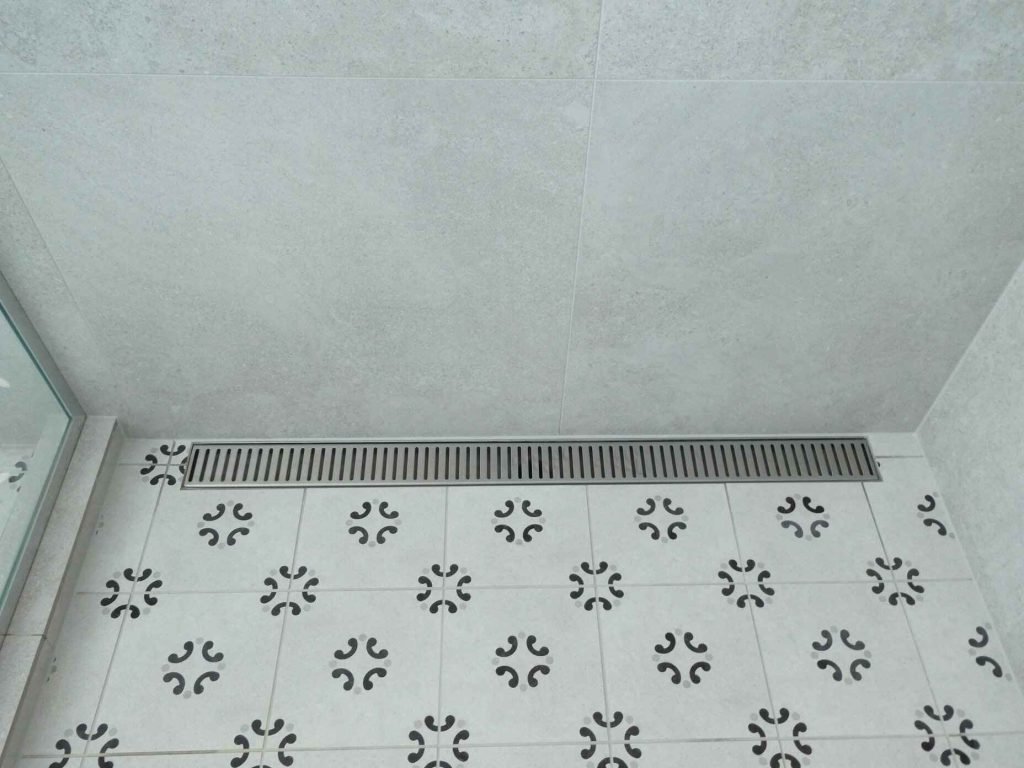
- A mechanical extraction system (i.e. an extractor fan) vented directly to the outside
A fan that vents into the ceiling cavity or roof void does not meet compliance and can cause serious condensation issues.
5. Choosing the Right Extractor Fan
Look for these key specs when selecting a fan:
- Airflow rating: Measured in litres per second (L/s). Aim for 25–40 L/s for standard bathrooms.
- Humidity sensors: Automatically trigger the fan when moisture levels rise.
- Timer functions: Keep the fan running after the light is switched off to clear out residual steam.
- Ducted to external outlet: Avoid recirculating fans or those venting into ceiling cavities.
In colder regions, consider a heat recovery ventilation system (HRV or ERV) to maintain warmth while managing air quality.
6. Combined Ventilation and Lighting
Some modern bathroom fittings combine extraction with lighting for a clean, integrated look. These units are especially useful in compact bathrooms or for minimalist design schemes, but still need to meet the same performance standards.
7. Common Mistakes to Avoid
- Skipping waterproofing in splash zones around baths or vanities
- Under-sizing extractor fans, especially in rooms with long duct runs
- Venting into roof cavities, which creates hidden mould and rot
- Not sealing floor junctions or screw holes in wet areas
- Using unlicensed tradespeople, which may void insurance or compliance certificates
Waterproofing and ventilation may not be the most glamorous parts of a bathroom renovation, but they are absolutely foundational. Get them right, and your new bathroom will stay dry, fresh, and structurally sound for decades. Get them wrong, and you may find yourself facing expensive repairs—and health risks—within just a few years. Always use qualified professionals, insist on code-compliant products and processes, and make these two areas a top priority in your planning and budget.
Lighting and Electrical Planning
Lighting and electrical layout play a crucial role in the functionality, safety, and ambiance of your bathroom. In 2025, New Zealand homeowners are moving beyond the basic overhead lightbulb and embracing multi-layered lighting schemes, energy-efficient technologies, and smart solutions that enhance both the look and usability of the space. Just like waterproofing and ventilation, all electrical work must be carried out by a registered electrician and comply with AS/NZS 3000 (the Wiring Rules).
1. The Three Types of Bathroom Lighting
To create a well-lit, balanced bathroom, aim for a combination of the following:
Task Lighting
Focused lighting for specific activities such as shaving, applying makeup, or brushing teeth. Ideal placement includes:
- On either side of the mirror at eye level (for shadow-free illumination)
- Integrated into or behind the mirror for a modern touch
Avoid harsh downlights directly above the mirror, as they can cast shadows on your face.
Ambient Lighting
This is your general illumination—the main source of light when you walk into the bathroom. Options include:
- Recessed ceiling downlights
- LED panel lights
- Ceiling-mounted dome fixtures
LEDs are the most energy-efficient choice and last significantly longer than traditional bulbs.
Accent Lighting
Used to highlight architectural or design features such as:
- A niche in the shower
- Under-vanity lighting
- Wall sconces or uplights
This layer adds a sense of luxury and depth to your design, especially in larger or high-end bathrooms.
2. IP Ratings and Electrical Safety
Bathrooms contain water and steam, making electrical safety essential. All light fittings, switches, and outlets must meet the appropriate IP (Ingress Protection) ratings depending on their location.
Common bathroom IP ratings include:
- IP44 or higher for fittings near showers and baths
- IP65 for recessed lights installed inside shower cubicles
- IP20+ acceptable for areas outside splash zones
Zones are defined based on proximity to water sources. Your electrician will help determine what fixtures are safe and legal in each area.
3. Switches, Power Outlets, and Placement
New Zealand regulations require that power points in wet areas be installed at least 300 mm from the edge of baths, showers, or sinks. Your layout and convenience will guide placement.
Common features to include:
- Double power points beside the vanity for hairdryers, electric toothbrushes, and shavers
- Separate switch for the extractor fan
- Light switch placed just outside the bathroom door for safety
- Optional dimmer switch for evening ambiance
In family homes, adding USB charging ports to power outlets can be a practical bonus.
4. Heated Accessories
Adding heating features boosts comfort, especially in colder regions like Canterbury or Otago. These require electrical planning upfront to ensure proper wiring and dedicated circuits.
Popular options include:
- Heated towel rails (hard-wired or plug-in)
- Underfloor heating (great for tiled floors)
- Heated mirrors to prevent fogging
- Wall-mounted panel heaters for added warmth
If installing underfloor heating, discuss thermostat placement and floor sensor locations with your electrician during the early planning stages.
5. Smart Lighting and Automation
Smart home technology has made its way into New Zealand bathrooms. While not essential, smart lighting offers additional comfort, especially in luxury renovations.
Features to consider:
- Voice-activated or app-controlled lights
- Motion-sensor lighting for night use
- Pre-set lighting modes (e.g., “Morning,” “Relax,” “Night”)
These features enhance convenience and can help reduce energy usage.
6. Lighting for Small vs Large Bathrooms
- In small bathrooms, stick with compact LED fittings, light-coloured finishes, and wall-mounted lights to avoid crowding the space.
- In larger bathrooms, layer multiple light sources to prevent dark corners and highlight zones like the bath or walk-in shower.
Using mirrors and reflective surfaces can also help amplify natural and artificial light, making the space feel more expansive.
Electrical planning and lighting design should never be an afterthought in a bathroom renovation. Done right, they elevate both functionality and atmosphere. Done wrong, they can create safety hazards, poor visibility, and extra costs to correct later. Work with a qualified electrician early in your renovation to map out the best solutions for your space, and always ensure fittings meet NZ safety standards and suit the moisture conditions of your bathroom.
DIY vs Hiring a Professional
One of the first decisions homeowners face when planning a bathroom renovation is whether to tackle the project themselves or hire professionals. While the DIY approach can offer cost savings and a sense of personal achievement, bathroom renovations in New Zealand involve a complex mix of trades, compliance requirements, and high-risk zones that demand careful consideration. In many cases, knowing when to call in a licensed expert is the key to a successful, stress-free renovation.
What Can You Do Yourself?
There are several aspects of a bathroom renovation that a confident and capable DIYer can take on, particularly those that don’t involve plumbing, electrical, or waterproofing work. These include:
- Painting walls and ceilings
- Removing old fixtures and fittings
- Installing shelving, mirrors, and towel rails
- Assembling and placing vanities or storage units
- Demolition of old tiles and cabinetry (if safe and permitted)
These tasks can reduce labour costs and keep you actively involved in the renovation, but it’s critical to ensure you don’t compromise the safety or compliance of the space in the process.
What Must Be Left to the Professionals?
In New Zealand, many aspects of a bathroom renovation are classified as Restricted Building Work (RBW), meaning they must be completed by licensed professionals:
- Plumbing and drainage: Only a certified plumber can legally install, alter, or connect water supply and waste systems. This includes moving toilets, basins, showers, or baths—even if the connections seem straightforward.
- Electrical work: All electrical wiring, installation of power outlets, lighting, and heated towel rails must be done by a registered electrician. DIY electrical work is not only illegal but also extremely dangerous.
- Waterproofing: According to NZ Building Code Clause E3, waterproofing of wet areas must be carried out by a certified waterproofing specialist. Incorrect waterproofing is one of the most common causes of long-term structural damage in homes.
Attempting these tasks yourself without proper qualifications can void your insurance, result in council penalties, and lead to costly rework if your bathroom fails to meet compliance standards.
The Value of Hiring a Renovation Company
For larger renovations or complete remodels, hiring a specialist bathroom renovation company can offer several advantages:
- Project management: Coordinating trades, deliveries, inspections, and timelines
- Design consultation: Help with layouts, style, and material selections
- Code compliance: Ensures every aspect meets NZ regulations
- Warranties and guarantees: Most professionals offer written warranties on workmanship and materials
Some companies offer all-in-one services, combining design, consents, construction, and fit-out—ideal for homeowners who want a seamless experience with minimal hassle.
Cost vs Risk: What’s Really at Stake?
While DIY might appear cheaper on the surface, the long-term risks can be significant:
- Incorrect waterproofing can lead to mould, leaks, and thousands in repair costs
- Poor plumbing can cause flooding or health hazards
- Non-compliant electrical work poses a serious fire risk
Moreover, if you ever plan to sell your home, having verifiable work completed by licensed professionals boosts buyer confidence and meets legal disclosure obligations.
Tips for Working with Professionals
If you decide to hire tradespeople, follow these steps:
- Check credentials: Use the Licensed Building Practitioner (LBP) register and verify insurance coverage
- Request written quotes: Ensure all costs are clearly detailed
- Review timelines and deliverables: Get a schedule with key milestones
- Ask about warranties: Ensure products and workmanship are covered
- Communicate clearly: Stay involved and request progress updates
Taking the time to choose the right team is just as important as choosing the right fittings or layout.
A hybrid approach often works best: leave technical work to the pros while handling demolition, painting, or cosmetic upgrades yourself. This gives you the satisfaction of contributing to your project while ensuring all critical systems meet legal and safety standards.
In the end, the decision to go DIY or professional should be based on your skill level, the complexity of the work, your budget, and your tolerance for risk. For most homeowners, hiring a qualified team is the best way to achieve a beautiful, compliant, and long-lasting bathroom renovation.
Common Renovation Mistakes to Avoid
Bathroom renovations are among the most rewarding yet complex home improvement projects. Between plumbing, electrical, waterproofing, and layout considerations, it’s easy for things to go wrong if you’re not prepared. Avoiding common mistakes can save you money, time, and frustration—and ensure your finished bathroom is both beautiful and durable.
1. Skipping the Planning Phase
Jumping into demolition without a detailed plan is a fast track to budget blowouts and regret. Before lifting a hammer, you need to:
- Finalise your layout
- Confirm measurements and product availability
- Create a realistic timeline and budget
- Understand local building consent requirements
Taking shortcuts at this stage can lead to costly changes mid-project and disrupt the entire workflow.
2. Underestimating the Budget
Many homeowners base their renovation budget on materials alone and forget to factor in labour, waterproofing, council fees, unexpected repairs, and contingencies. Always:
- Include a 10–15% buffer for surprises
- Get multiple quotes and compare like-for-like
- Check if your desired products are in stock or custom-made (which adds lead time and cost)
Failing to budget properly is one of the most common causes of stalled or unfinished bathroom projects.
3. Choosing Style Over Function
A stunning bathroom means nothing if it doesn’t work well day to day. Trends come and go, but functionality should always come first. Mistakes to avoid include:
- Choosing a vanity too large for the space
- Failing to leave enough clearance around doors and drawers
- Installing non-slip tiles only in part of the wet zone
- Ignoring storage needs (especially in family homes)
Aim for a design that balances beauty with usability.
4. Hiring the Wrong Tradespeople
Going with the cheapest quote or hiring unlicensed trades may save you money upfront, but it often leads to substandard results, project delays, or safety risks. Always:
- Check qualifications and reviews
- Confirm insurance and warranties
- Get everything in writing, including scope of work, costs, and timeframes
A reputable professional will help you avoid mistakes you didn’t even know were possible.
5. Poor Ventilation and Waterproofing
These two systems are easy to overlook—because they’re not immediately visible—but are absolutely essential. Mistakes like using the wrong membrane, failing to seal junctions, or installing underpowered extractor fans can result in:
- Mould and mildew
- Structural rot
- Peeling paint and tile damage
- Failed council inspections
Only certified waterproofers and licensed electricians should handle these critical systems.
6. Neglecting Lead Times
Some of the most desired fittings and tiles in New Zealand are imported or custom-made, which means they often have long lead times. Failing to order early can halt progress or force you to make last-minute compromises. Always:
- Confirm availability before starting demolition
- Order key items in advance (tiles, vanities, tapware, shower glass)
- Work with suppliers who offer clear delivery timelines and support
Delays can quickly snowball when trades are booked in a specific sequence.
7. Ignoring Future Needs
Think beyond today’s design trends. Consider:
- Accessibility as you or your family ages
- Future resale value
- Energy and water savings
- The likelihood of young children or guests using the space
Designing with longevity in mind helps avoid re-renovating a few years down the line.
The most successful bathroom renovations are those that are planned thoroughly, executed professionally, and guided by both function and form. By avoiding these common pitfalls, you not only reduce risk and stress—you also create a space that will serve your household well for years to come.
Eco-Friendly and Sustainable Options
Sustainability is no longer a niche concern in New Zealand’s housing market—it’s a priority. With rising water and energy costs, stricter environmental standards, and an increasing awareness of our collective carbon footprint, more homeowners are seeking eco-conscious solutions in their bathroom renovations. Fortunately, in 2025, you can achieve a beautiful, modern bathroom that’s also kind to the environment.
1. Water-Efficient Fixtures
Water usage is a major concern, especially in regions with water metering or seasonal restrictions. Upgrading to water-efficient fixtures can dramatically reduce consumption without sacrificing performance.
Key features to look for:
- WELS-rated tapware and shower heads: Look for 4 or 5-star ratings
- Dual-flush toilets: Use only 3 litres for a half flush and around 4.5–6 litres for a full flush
- Aerators: Small additions to tapware that reduce water flow while maintaining pressure
Installing these fixtures reduces household water bills and contributes to regional conservation efforts.
2. LED Lighting and Smart Controls
Lighting accounts for a significant portion of a bathroom’s energy use. Replacing halogen or incandescent bulbs with LED lights is one of the easiest eco-upgrades.
Sustainable lighting options include:
- LED downlights and task lights: Last up to 25,000 hours and use up to 80% less energy
- Motion sensors and timers: Automatically turn lights off when the bathroom is not in use
- Dimmable fixtures: Reduce energy consumption and create a relaxing ambiance
Smart lighting systems can also be controlled via phone or voice assistants, helping reduce unnecessary usage.
3. Sustainable Materials
Choosing low-impact materials for flooring, cabinetry, and benchtops is another important step.
Eco-conscious material choices:
- FSC-certified timber for vanities and shelving
- Bamboo cabinetry, which grows quickly and regenerates naturally
- Recycled glass or composite countertops
- Locally sourced tiles and stone to minimise freight emissions
Avoid high-VOC (volatile organic compound) adhesives, sealants, and paints, which can harm indoor air quality and contribute to long-term health issues.
4. Reuse and Repurpose
Not everything in a renovation has to be new. Reusing or repurposing existing materials is not only cost-effective but reduces waste.
Examples include:
- Refinishing an existing vanity or bath
- Repurposing storage units or shelves from other parts of the home
- Salvaging and reusing tiles, where safe and practical
You can also explore architectural salvage yards or demolition traders for reclaimed timber, mirrors, and fittings with unique character.
5. Heating Efficiency
Bathrooms often need heating, especially in colder regions. Using energy-efficient heating options reduces your electricity bill and environmental impact.
Consider:
- Underfloor heating with programmable thermostats
- Hydronic heating systems, which use warm water and are highly efficient
- Energy Star-rated wall heaters or heated towel rails
Always insulate behind walls and under floors to maximise heat retention, particularly in older homes.
6. Greywater Recycling (Advanced)
For more advanced eco-renovations, consider systems that recycle greywater—wastewater from sinks, showers, and baths—to irrigate your garden or flush toilets. These systems are more common in new builds or complete home renovations but are gaining interest among environmentally conscious homeowners.
Greywater systems must be installed by licensed professionals and approved by your local council to ensure safety and compliance.
7. Eco-Friendly Certifications and Ratings
If you’re aiming for formal recognition of your home’s sustainability efforts, consider certifications such as:
- Homestar (NZGBC): A performance rating system for new homes that assesses energy, water, and material efficiency
- Eco Choice Aotearoa: Certification for environmentally preferable products
- GreenTag or GECA certifications for international products
These labels help guide your material and product selections based on independently verified sustainability criteria.
Making your bathroom renovation eco-friendly isn’t about compromise—it’s about future-proofing. Sustainable design can lower utility bills, improve resale value, reduce your environmental impact, and create a healthier home for your family. By selecting water-saving fixtures, efficient lighting, recycled materials, and responsible building practices, you can achieve a renovation that looks great and aligns with your values.
Frequently Asked Questions (FAQs)
Renovating a bathroom is a major undertaking, especially when you’re trying to navigate building regulations, design decisions, and budget constraints. Below are some of the most common questions New Zealand homeowners ask when planning a bathroom renovation in 2025.
1. Do I need council consent to renovate my bathroom?
Answer:
It depends on the scope of your renovation. If you’re only replacing fixtures in the same location (like-for-like), you likely won’t need building consent. However, if you’re:
- Moving plumbing or drainage
- Changing the layout
- Altering structural elements
- Adding or modifying waterproofing or ventilation systems
then you will need to obtain consent from your local council. Always check with a professional or your local authority before starting.
2. What’s the average cost of a bathroom renovation in New Zealand in 2025?
Answer:
Costs vary based on complexity, size, and quality of materials. Here’s a rough guide:
- Basic refresh: $12,000–$18,000
- Mid-range renovation: $18,000–$30,000
- High-end or luxury upgrade: $30,000–$50,000+
Additional factors like structural changes, custom joinery, or premium tile choices can increase the budget.
3. How long does a bathroom renovation take?
Answer:
Most bathroom renovations take 3 to 5 weeks from demolition to completion. This timeline includes:
- Demolition and preparation
- Plumbing and electrical rough-ins
- Waterproofing and tiling
- Fixture installation
- Final touches and inspections
Delays can occur due to product lead times, council inspections, or unforeseen issues like water damage.
4. Can I live in the house while the bathroom is being renovated?
Answer:
Yes—but be prepared for inconvenience, especially if it’s your only bathroom. If possible, set up a temporary alternative (portable bathroom unit, use a neighbour’s or family’s bathroom) or schedule work when you’re away. Some homeowners also renovate during holidays to avoid disruption.
5. Is waterproofing legally required?
Answer:
Absolutely. All bathrooms in New Zealand must comply with Clause E3 of the Building Code, which governs internal moisture control. Waterproofing must be done by a certified professional using approved products. After completion, a waterproofing certificate should be issued—often required for council sign-off and future insurance or resale.
6. Can I do some of the work myself?
Answer:
Yes, but only certain aspects. DIY-friendly tasks include:
- Painting
- Assembling flat-pack furniture
- Removing old fittings
- Installing shelves or towel racks
However, any plumbing, electrical, and waterproofing work must be completed by licensed professionals to comply with the law and ensure safety.
7. What’s the best way to choose a reliable bathroom renovator?
Answer:
Start by asking for referrals from friends or checking reviews online. You should:
- Verify their license via the Licensed Building Practitioner (LBP) register
- Review their portfolio of past work
- Ask for references and speak to previous clients
- Ensure they provide written quotes and contracts
- Confirm insurance and warranty coverage
Reputable contractors will happily provide this information.
8. Do eco-friendly features cost more?
Answer:
Not necessarily. Many sustainable features—like LED lighting, low-flow tapware, or dual-flush toilets—are competitively priced and deliver long-term savings through lower utility bills. While some options like solar water heating or greywater systems involve higher upfront investment, they offer environmental and financial benefits over time.
9. How can I make my bathroom more accessible or future-proof?
Answer:
Consider features such as:
- Walk-in, curbless showers
- Non-slip flooring
- Wall-mounted grab bars
- Lever-style taps instead of knobs
- Taller toilets and wall-hung vanities for easier wheelchair access
These upgrades are ideal for aging in place and can improve long-term usability for all family members.
Every renovation project is different, and the best decisions depend on your home, lifestyle, and budget. If you’re unsure about any part of the process, it’s always worth consulting a qualified renovation professional or licensed building practitioner.
Insurance, Warranties & Legal Protections
Renovating your bathroom isn’t just about tiles, tapware, and design—it’s also a legal and financial transaction. Whether you’re spending $15,000 or $50,000, your renovation involves contracts, liabilities, and responsibilities. Protecting yourself with the right insurance, warranties, and legal precautions is essential to ensure your investment is secure.
1. Insurance During Renovation
Before any work begins, it’s crucial to understand how your insurance coverage applies—and where it may fall short.
Home and contents insurance:
Standard homeowner policies don’t always cover damage caused during renovations. Contact your provider to:
- Notify them of upcoming work
- Confirm whether you’re covered during the project
- Add temporary cover if needed (especially for major renovations)
Contractors’ insurance:
All licensed tradespeople should have:
- Public liability insurance (covers damage to your home or third parties)
- Professional indemnity insurance (protects against design or advice-related errors)
- Contract works insurance (for full renovation jobs, typically arranged by the builder)
Always ask to see certificates of insurance before signing a contract.
2. Implied Warranties Under NZ Law
Under the Building Act 2004, any residential building work in New Zealand is automatically covered by implied warranties for a period of 10 years. These apply whether or not they’re written into the contract.
They guarantee that:
- All work will be done competently and according to the Building Code
- Materials used will be suitable and of acceptable quality
- The work will be completed within a reasonable time
- The home will be suitable for occupation once complete
Even if a contractor goes out of business, you may still have legal recourse through the Disputes Tribunal or civil court.
3. Written Contracts: When and Why They’re Needed
If your bathroom renovation exceeds $30,000 (incl. GST), a written contract is legally required under New Zealand law. However, it’s strongly recommended for all renovation jobs, regardless of size.
A contract should include:
- Scope of work and plans
- Timeline and payment schedule
- Responsibilities for materials, permits, and rubbish removal
- Procedures for handling variations or delays
- Dispute resolution process
This document protects both parties and serves as a reference if any issues arise.
4. Product and Workmanship Warranties
Beyond legal warranties, your products and contractors should also offer specific guarantees.
Product warranties cover:
- Fixtures like toilets, tapware, vanities, and lighting
- Appliances (e.g. heated towel rails)
- Waterproofing membranes and tiles
These typically range from 1 to 25 years, depending on the product and brand. Always keep proof of purchase and warranty documentation.
Workmanship warranties are provided by your builder or renovation company and usually range from 12 months to 5 years. A reputable professional should put this in writing.
5. What Happens If Something Goes Wrong?
If you discover defects or unfinished work:
- Notify the contractor in writing as soon as possible
- Request that the issue be fixed within a reasonable timeframe
- Withhold final payment (if permitted by contract) until resolution
If the contractor refuses or disappears, you can:
- Lodge a claim with the Disputes Tribunal (for claims under $30,000)
- Contact the Building Practitioners Board if they are an LBP
- Seek legal advice for larger or complex disputes
Always document everything—photos, invoices, messages—to support your case.
Final Tips for Protection
1. Choose tradespeople who are members of recognised industry bodies (e.g. Master Plumbers, Registered Master Builders).
2. Check for producer statements for waterproofing and electrical work
3. Read the fine print of all warranties and contracts
4. Ensure your council sign-off is obtained if consented work is performed
Taking these precautions helps ensure your renovation is not just beautiful and functional, but also legally sound and financially protected. It may not be the most exciting part of your project—but it’s one of the most important.
Post-Renovation Maintenance & Care
Completing your bathroom renovation is a major milestone—but the work doesn’t end when the tradespeople pack up. Maintaining your new bathroom properly ensures it stays fresh, functional, and free from preventable damage for years to come. A proactive maintenance routine can extend the life of your fittings, preserve the integrity of waterproofing, and protect your investment long after the last tile has been laid.
1. Regular Cleaning Practices
Cleaning isn’t just about appearance—it helps prevent soap scum, limescale, and mould from damaging surfaces.
Recommended practices:
- Use non-abrasive, pH-neutral cleaners on tiles, benchtops, and vanities
- Wipe down glass shower screens daily to prevent hard water stains
- Dry wet surfaces (especially grout lines and silicone edges) with a microfibre cloth
- Clean chrome and stainless-steel fittings with a soft cloth and vinegar solution
- Avoid harsh chemicals like bleach on natural stone or matte finishes
Weekly cleaning keeps surfaces in top condition and prevents minor issues from becoming long-term problems.
2. Caring for Silicone and Grout
Grout and silicone are essential for waterproofing, but they’re also vulnerable to moisture and grime buildup.
Maintenance tips:
- Inspect grout lines every few months for cracks or discolouration
- Use grout sealer annually on cement-based grout to enhance water resistance
- Clean silicone joints gently to prevent lifting or splitting
- Replace silicone as soon as it begins to peel, mould, or degrade
These small measures will help keep water out of places it doesn’t belong.
3. Managing Ventilation and Humidity
Moisture is your bathroom’s biggest enemy—especially in New Zealand’s damp climate.
To prevent long-term damage:
- Run extractor fans during and after showers (at least 15–20 minutes)
- Keep windows open where possible to ventilate naturally
- Wipe condensation from mirrors and windows to prevent frame damage
- Consider a dehumidifier in high-moisture areas or poorly ventilated homes
Clean your extractor fan filter every 6–12 months to maintain airflow efficiency.
4. Inspecting Fixtures and Fittings
Modern fixtures are built to last, but regular inspections will help you catch wear and tear early.
Check for:
- Dripping taps or slow leaks at pipe connections
- Wobbling vanities or wall fittings
- Loose handles, hinges, or drawer sliders
- Unusual noises from toilets or plumbing
Addressing issues early can save money on repairs and prevent secondary water damage.
5. Protecting Surfaces
Different surfaces require different care routines to maintain their finish and integrity.
- Timber or veneer vanities: Avoid standing water and use wood-safe cleaners
- Natural stone (e.g., marble, granite): Re-seal annually and avoid acidic cleaners
- Glass and mirrors: Use streak-free products and avoid ammonia-based sprays on mirror edges
- Ceramic tiles: Use mild detergent and rinse thoroughly to avoid residue buildup
Avoid placing wet or sharp metal objects directly on stone or wood surfaces, as they may cause stains or scratches over time.
6. Keep Records and Warranties Accessible
File away all documentation related to your renovation, including:
- Product warranties and serial numbers
- Waterproofing and electrical producer statements
- Contact details for tradespeople
- Maintenance instructions provided by manufacturers
Having these on hand is useful for future repairs, resale, or if a product fails within warranty.
7. Seasonal Check-ups
Just like a car needs servicing, your bathroom benefits from regular seasonal reviews.
Every 6–12 months, check:
- Tile grout and sealants for cracks
- Fans and heat lamps for dust buildup
- Leaks under vanities or around toilets
- Functionality of heated towel rails or underfloor heating
This proactive approach helps extend the lifespan of all your bathroom components.
Post-renovation care is about protecting your investment and preserving the sense of pride and enjoyment that comes with a newly renovated space. A few minutes each week, along with scheduled inspections, can prevent costly issues and keep your bathroom looking as good as it did on day one.By treating your new bathroom with the same attention you gave to designing it, you’ll ensure it remains a comfortable, functional, and hygienic space for many years to come.
Conclusion: Bringing Your Dream Bathroom to Life
A bathroom renovation is more than just a visual upgrade—it’s an investment in comfort, functionality, and long-term value. Whether you’re freshening up a small guest ensuite or overhauling your family’s main bathroom, the process requires careful planning, sound budgeting, and expert execution. Done right, it will enhance your lifestyle, reduce future maintenance, and increase the appeal and value of your home.
Throughout this guide, we’ve explored the key components of a successful bathroom renovation in New Zealand, including:
- Setting a clear budget and realistic expectations
- Understanding the local building code and council requirements
- Choosing efficient fixtures and a practical layout
- Incorporating current design trends without sacrificing durability
- Hiring the right professionals to deliver quality and compliance
- Avoiding common pitfalls and planning for long-term maintenance
- Making eco-friendly choices to future-proof your investment
New Zealand’s unique climate, building standards, and lifestyle preferences mean your renovation should reflect not just aesthetic goals, but practical realities. From selecting moisture-resistant materials to ensuring your extractor fan vents correctly, every detail counts.
If you’re just starting the process, consider booking a consultation with a qualified bathroom renovation specialist who understands local regulations and can guide you through consents, product sourcing, and project management. If you’re further along, use this guide as a checklist to validate your decisions and avoid costly oversights.
Remember: the most successful renovations are those built on clarity, communication, and craftsmanship. Take your time, choose quality over shortcuts, and surround yourself with professionals who share your vision.
You’re not just renovating a bathroom—you’re creating a better experience for everyone who uses it, every day. Alchemy Bathroom Renovations Auckland is here to help you out in your next bathroom renovation project.
