
Ultimate Guide to Choosing the Right Tiles for Your Bathroom in NZ
Tiles do more than just add style to your bathroom. They protect your walls and floors from water, make cleaning easier, and help define the overall feel of the space. Whether you’re renovating or building new, selecting the right tiles is one of the most important design decisions you’ll make.
This guide will help you choose the best tiles for your bathroom by breaking down types, surfaces, safety factors, and visual impact. Every choice matters, from floor to ceiling, and getting it right will help your bathroom stay functional and attractive for years. Tile selection is one of the first decisions in Alchemy’s bathroom design service in Auckland, so bring your shortlist to the design consultation.
1. Understand the Main Types of Bathroom Tiles
The type of tile you choose affects how your bathroom looks, feels, and holds up over time. Here’s a breakdown of the most common types:
Ceramic Tiles
These are widely used because they’re affordable and available in many colours and styles. Ceramic tiles are ideal for walls and light-use floors. They’re easy to clean but less dense than porcelain, so they’re better in dry zones.
Porcelain Tiles
Porcelain is denser, stronger, and more water-resistant than ceramic. It works well on both floors and walls, especially in showers or high-moisture areas. It’s also suitable for underfloor heating, making it popular in New Zealand homes.
Natural Stone Tiles
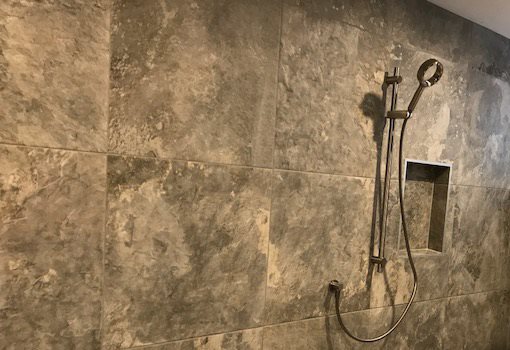
Stone tiles like marble, granite, and slate offer a high-end finish. They bring texture and richness, but they require sealing and regular maintenance. These tiles suit feature walls or spacious bathrooms where upkeep is more manageable.
Glass Tiles
Used mainly for accents or feature strips, glass tiles reflect light and add interest. They’re slippery when wet and can chip easily, so they’re best left to vertical surfaces.
Vinyl or LVT (Luxury Vinyl Tile)
Not a traditional tile, but a cost-effective alternative. LVT mimics the look of stone or wood and offers good water resistance. It’s ideal for budget-conscious homeowners or quick renovations.
Each tile type has strengths and limitations. Choosing one depends on where it will be installed, how much wear it will face, and the style you’re aiming for.
2. Consider Where the Tiles Will Be Used
Different parts of the bathroom need different types of tiles. What works on a wall may not be suitable for a floor.
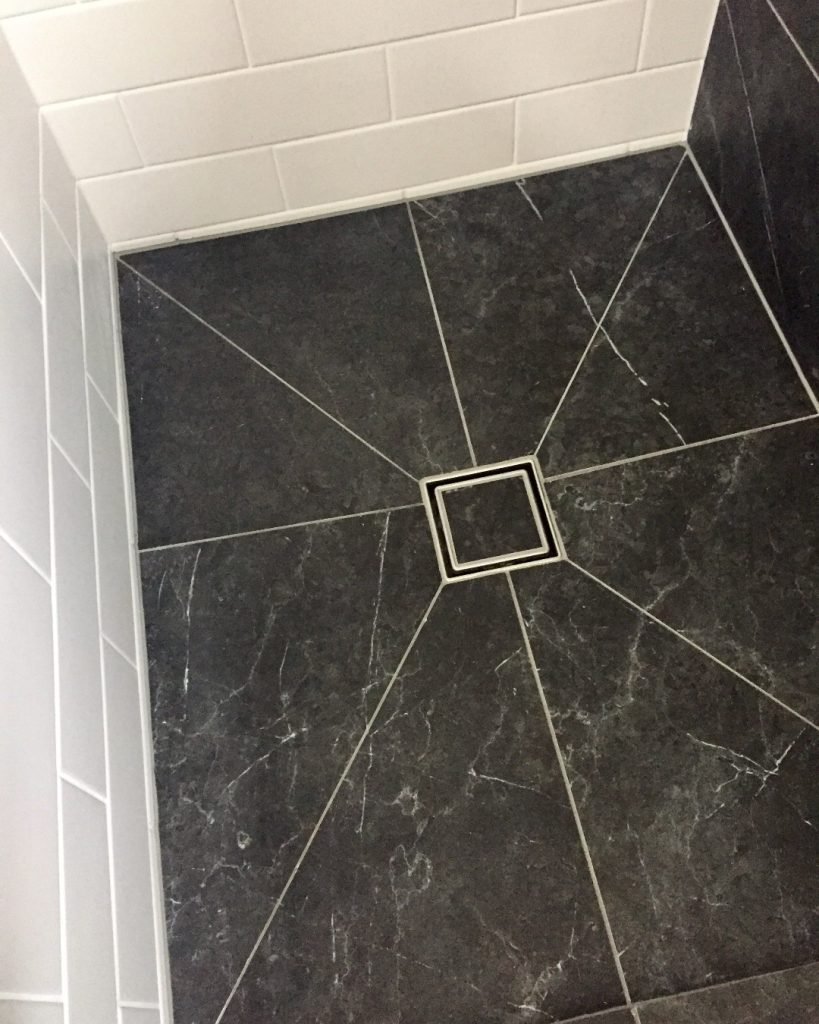
- Floor Tiles: Must be durable and slip-resistant. Go for tiles with a matte finish or textured surface to reduce the risk of slipping.
- Wall Tiles: Can be lighter and less textured. Glazed ceramic tiles are common on walls because they’re easy to clean and come in more design options.
- Shower Area: Needs tiles that handle constant moisture. Porcelain is ideal because it’s less porous. Look for tiles with minimal water absorption and anti-slip properties.
- Feature Walls or Splashbacks: Offer a chance to use bold colours or textures. Since these areas don’t get as wet, you can use more decorative options like mosaics or glass.
3. Prioritise Slip Resistance and Safety
Bathrooms are wet spaces. Choosing non-slip tiles is crucial, especially on the floor.
Look for tiles with a slip rating (often marked as R9–R13). The higher the number, the more slip-resistant the tile. In general:
- R10 is suitable for general wet areas
- R11+ is recommended for floors in showers or areas where water pools
Textured surfaces improve grip but are harder to clean. A good balance is a lightly textured porcelain tile with a matte finish.
4. Choose the Right Size and Shape
Tile size affects the look and practicality of your bathroom. Here’s how to get it right:
- Small Tiles: Great for curves, niches, and tight spaces. Mosaic tiles offer grip in showers but require more grout, which can be harder to clean.
- Large Tiles: Create a seamless look with fewer grout lines. They suit large bathrooms or walls where you want a clean, continuous feel.
- Shapes and Layouts: Square tiles are standard, but rectangular tiles offer a modern edge. Hexagon and herringbone patterns can create visual interest if used sparingly.
5. Think About Colour and Finish
Your colour and finish choices have a big impact on light, space, and maintenance.
- Light Colours: Make rooms feel bigger and brighter.
- Dark Tiles: Offer a bold, dramatic look but may show soap and water marks more easily.
- Neutral Tones: Like beige, grey, or white, stay in style longer.
Gloss Tiles: Reflect light and are easy to wipe clean but can be slippery. Matte Tiles: Offer better grip and hide marks but may need more regular scrubbing.
6. Don’t Overlook Grout and Layout
Grout is more than just filler. It plays a big role in your bathroom’s look and upkeep.
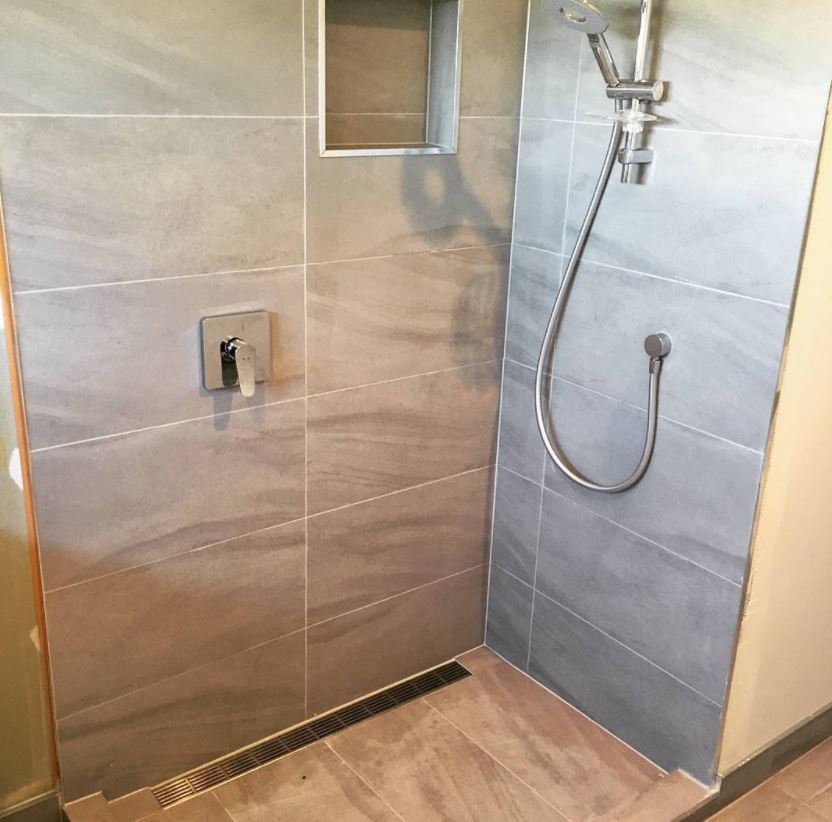
- Grout Colour: Match grout to your tile for a smooth look or contrast it to highlight the pattern.
- Grout Width: Narrow grout lines give a modern finish. Wider lines can suit rustic styles.
All grout needs sealing and cleaning. Choose a layout pattern that fits the style of your space—brick, stacked, diagonal, or herringbone.
7. Match Tiles to Your Overall Bathroom Style
Your tiles should reflect your bathroom’s overall style.
- Modern: Large tiles, minimal grout, matte finishes
- Classic: Marble look, subway tiles, soft neutrals
- Coastal: Light blues, sand tones, textured surfaces
- Industrial: Concrete-look tiles, dark accents, metal trims
Limit your selection to 2–3 tile types for a consistent look. Keep floor, wall, and shower finishes coordinated for better visual flow.
8. Budget and Quality Considerations
Tiles vary widely in cost. Budget will influence what’s possible, but even low-cost tiles can look great if chosen well.
- Spend more on floor and shower tiles—these take the most wear
- Use basic tiles in dry or wall areas to save money
- Ask about tile grades—higher-grade tiles offer better consistency
Buy from a trusted NZ supplier to ensure durability and compliance with moisture standards. Don’t forget to budget for grout, adhesive, and labour.
To extend the blog to meet the 1,500-word target, here are two additional sections with practical value and no repetition:
9. Common Mistakes to Avoid When Choosing Bathroom Tiles
Even a well-designed bathroom can suffer if tile choices are rushed or based purely on looks. Here are mistakes to avoid:
Choosing Style Over Function
Glossy tiles might look stunning, but they can be slippery and high-maintenance in wet zones. Always match tile features to their use.
Mixing Too Many Tile Types
Using four or five different tile styles in one space creates visual clutter. Stick to a consistent colour palette and no more than three tile variations.
Ignoring Grout Planning
Grout is often an afterthought, but it affects the final look. Poor grout colour choices or thick, inconsistent lines can ruin the finish.
Not Buying Enough Tiles
Always buy 10–15% more tiles than you think you need. This covers cutting wastage and future repairs.
Forgetting About Lighting
Tiles can look completely different under warm vs. cool lighting. Always test samples under your actual bathroom lighting conditions before placing a full order.
Avoiding these common errors ensures your tile installation looks great and performs well long-term.
10. Tile Maintenance Tips for Long-Term Performance
The right tiles will serve you well, but ongoing care is essential. Here’s how to keep them looking fresh:
- Use the right cleaners: Harsh chemicals can damage natural stone or lift grout. Stick to pH-neutral, tile-safe products.
- Seal grout regularly: Even water-resistant grout can absorb moisture over time. Reseal once a year to prevent discolouration and mould.
- Clean soap and residue promptly: Build-up on matte or textured tiles can dull their appearance. A soft brush and mild cleaner work best.
- Ventilate after showers: Trapped moisture encourages mould growth. Use extractor fans or open windows to keep air moving.
- Check for cracks: Small cracks in grout or tiles can let water in. Fix them early to avoid damage to the waterproofing underneath.
Proper maintenance extends the life of your tiles and protects the rest of your bathroom.
Conclusion
Choosing the right bathroom tiles means balancing looks, safety, and practicality. The best tiles are not just beautiful—they’re easy to clean, safe to walk on, and built to last.
By understanding how different types, finishes, and sizes work in various parts of your bathroom, you can make smart choices that stand the test of time. A well-tiled bathroom feels better, functions better, and adds real value to your home.
Need help selecting the perfect tiles for your bathroom renovation in Auckland? Contact the team at Alchemy Bathroom Renovations Auckland. We’ll guide you through product choices, layout options, and finishes that work best for your space and budget.
