
Ultimate Guide on How to Design a Timeless Bathroom That Won’t Go Out of Style
Even when design trends shift, a classic bathroom remains timeless. It gives you a space that looks new every year by striking a balance between longevity, style, and functionality. A classic bathroom doesn’t follow every fad. Rather, it makes use of time-tested design decisions, high-quality materials, and clever layouts.
This approach is a sensible strategy for homeowners in Auckland. You want a bathroom that will still look fantastic in ten or fifteen years, even with the expense of renovations and council approvals. We’ll demonstrate in this guide how to build or renovate a bathroom that is both fashionable and current without requiring frequent updates.
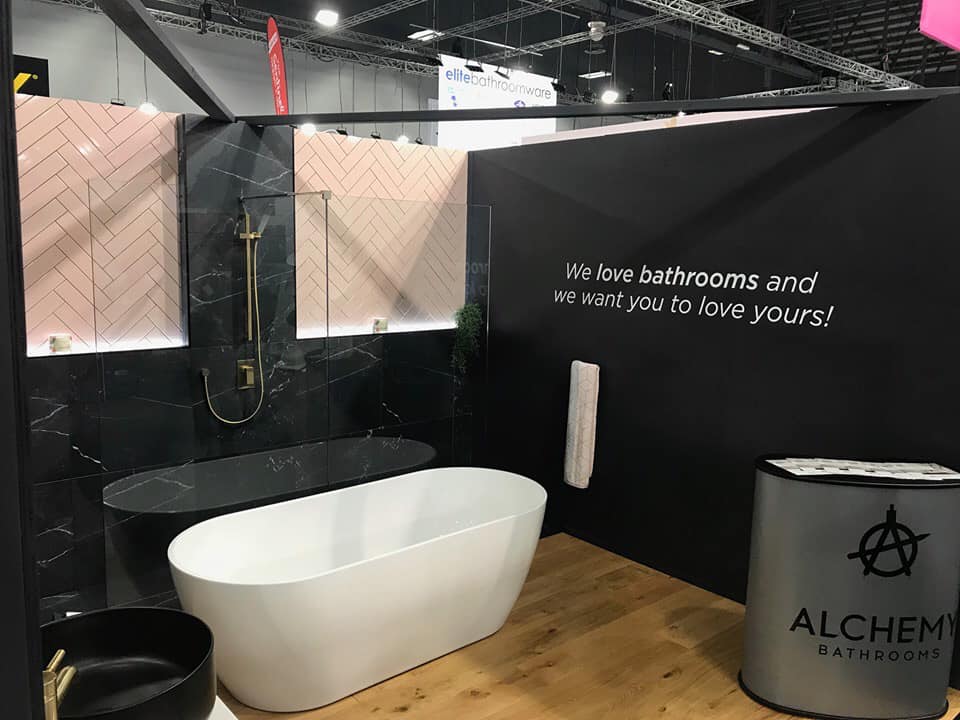
1. Begin with a Layout That Works
A functional layout is the foundation of a pleasing bathroom. A bad layout makes the room feel clumsy and unusable, regardless of how lovely your tiles or fixtures are. Usability is the primary focus of timeless bathrooms.
Don’t move your plumbing if it’s in excellent shape and in the right place. Retaining fixtures lowers the need for building consent and saves money. Make changes around the current layout, using it as a starting point.
Planning your space is important. Don’t try to cram too much into a tiny bathroom. A freestanding tub, for instance, might appear sophisticated in a showroom, but it can make a small space feel claustrophobic. Choose a walk-in shower or a small built-in bathtub instead, depending on your needs.
Make sure there is space between your shower, toilet, and vanity. Consider who will use the space, how frequently they will use it, and for what purposes when designing. This consideration will help you design a layout that won’t need alterations for several years.
2. Select a Color Scheme That Is Neutral
Your bathroom’s color scheme determines its mood. If you want to maintain a classic look, avoid using striking or trendy hues. Stick to gentle, neutral hues that are soothing and adaptable instead.
Warm earthy tones, light taupe, beige, whites, and soft greys are all in style. These colors complement almost any style, whether it be transitional, traditional, or modern, and they let you update the look with accessories rather than remodeling.
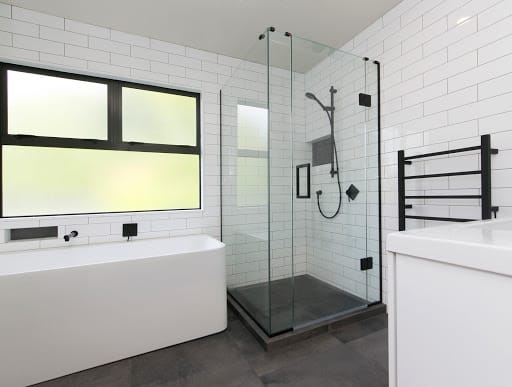
Use contrast sparingly. Darker floor tiles or matte black tapware can add personality without taking over the room. Just keep in mind that a small space may feel cramped if it is too dark.
Over time, more flexibility is also possible with a neutral palette. To update the room without affecting the main finishes, you can simply replace the wall art, mirrors, or towels.
3. Give Classic and Long-Lasting Materials Priority
Materials have an impact on the durability and appearance of your bathroom. Timeless bathrooms use surfaces that are both functional and aesthetically pleasing.
Select ceramic or porcelain tiles for floors and walls. They come in various neutral styles, are long-lasting, and are simple to clean. Although natural stone, such as granite or marble, has a timeless appeal, it requires upkeep and sealing, so give it careful thought.
Steer clear of novelty textures and loud patterns. These may seem thrilling at first, but they can soon feel out of place. Long-term use will benefit from a simple, subtle tile in a gentle color.
Watermarks and fingerprints are less likely to appear on matte and satin finishes. Despite their dazzling appearance, glossy surfaces need ongoing maintenance. When used sparingly, timber accents—like a wooden shelf or vanity—add coziness and are always in style.
Pay attention to quality. Few high-quality finishes hold up better over time than many inexpensive, throwaway ones.
4. Select High-Quality Fittings and Fixtures
The functional core of your bathroom consists of the faucets, sinks, toilets, and showers. Selecting quality in this case will result in improved performance and fewer future repairs.
Choose fixtures in matte black, brushed nickel, or chrome, as these finishes are popular and timeless. If you want a look that will last without needing to be updated, stay away from copper, brass, and rose gold.
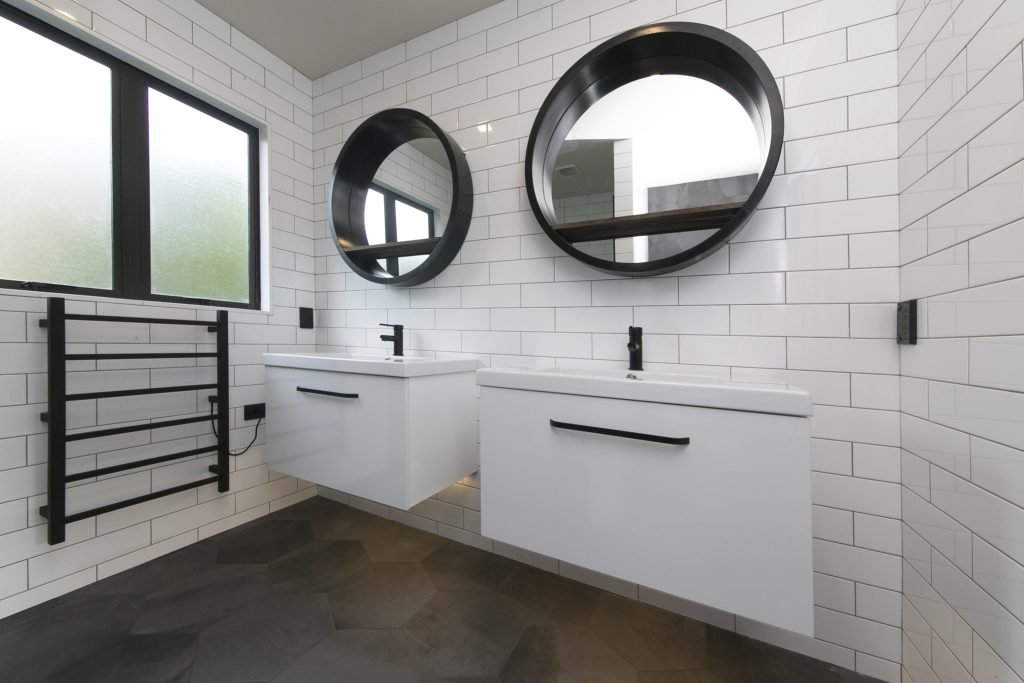
Select vanities with clean lines and classic shapes. Both shaker-style and flat-panel cabinets have classic appeal. Avoid highly stylized patterns or trends, such as bold geometric handles, and stick to neutral color schemes.
Make use of glass shower screens that are frameless or semi-frameless. They lessen visual clutter and give the room an air of openness. Use only clear or lightly frosted glass.
The goal is to select pieces that complement the room and work well without taking over or requiring a total redesign in five years.
5. Maintain Versatile and Layered Lighting
Lighting, often overlooked, significantly influences the atmosphere of your bathroom. A classic design makes use of various lighting fixtures that are thoughtfully positioned.
Start with ambient lighting, which is typically general illumination from ceiling lights. Next, install task lighting close to the mirror so that you can apply makeup, shave, or groom. Lastly, to draw attention to elements like shelves or alcoves, use accent lighting.
Avoid using bold lights that may quickly become outdated. If sculptural fixtures or pendant lights go out of style, they could become distracting. Select fittings with clean lines and neutral finishes.
For a gentle, organic light, use warm white LEDs. These are less energy-intensive and more comfortable than harsh, cool lighting. You can install dimmers or multiple light circuits to accommodate a variety of uses and moods.
6. Avoid Over-Themeing the Area
Designing with a theme—vintage, industrial, Hamptons, or ultra-modern—is a common mistake. When the trend fades, these styles run the risk of dating your bathroom, even though they can look fantastic.
Aim for design cues instead of a complete theme. For instance, a round mirror and a basic subway tile give a nod to tradition without forcing you to adopt a vintage aesthetic.
Adhere to your home’s architecture. A modern minimalist bathroom may not look appropriate in a bungalow from the 1920s. Select a design that blends in with your house and permits small adjustments without requiring a complete makeover.
You can easily add soft furnishings, artwork, or small upgrades to a minimalist, neutral design.
7. Pay Attention to Storage and Useful Information
Even the most well-designed bathroom can appear worn out due to clutter. Everything is accessible and surfaces are kept clean thanks to built-in storage.
For concealed storage that also functions as a mirror, use mirrored cabinets above the vanity. In vanities, think about using drawers rather than cupboards; they are more practical and easier to reach.
If there is room, install a narrow shelf for towels or a recessed niche for shampoo bottles in the shower. Make good use of vertical space by installing floating shelves or tall cabinets for emergency storage.
Maintaining your bathroom’s functionality and appearance without having to constantly rearrange it is ensured by effective storage.
8. Remember Maintenance
If a bathroom is difficult to maintain or clean, even the most exquisite design may not hold up over time. The future is just as important to timeless design as the present.
Select easy-to-clean, matte, non-slip tiles. Steer clear of dirt-trapping textured surfaces. Because there are fewer grout lines with larger tiles, they are easier to maintain.
To avoid mold, use silicone and grout products made for damp areas. Make sure ventilation is taken care of; to control humidity, install a high-quality extractor fan or leave windows open.
Steer clear of fixtures that need a lot of upkeep, such as elaborate glass patterns or specialized surfaces that require frequent sealing.
9. Common Mistakes to Avoid When Designing for Timelessness
Even with the best intentions, some design decisions can work against the goal of creating a timeless bathroom. By avoiding these common mistakes, you can ensure that your bathroom remains timeless.
Following Short-Lived Trends
It’s tempting to add what’s popular right now—geometric tiles, coloured basins, open shelves in wet zones—but these choices often age poorly. Incorporate trends in ways that can be easily changed later, such as using wall paint or towels, instead of opting for built-in features.
Overcrowding the Space
Trying to add too much—like a freestanding tub in a small room or double vanities in a tight layout—can make your bathroom feel cramped. Timeless bathrooms feel open, not forced.
Ignoring Ventilation
A beautiful bathroom that traps moisture will quickly develop mold, mildew, and damage to finishes. Always plan for efficient airflow.
Using Cheap Fixtures
Lower-cost tapware, poor-quality cabinets, or discount lighting may look fine at first, but they show wear quickly. Over time, replacing parts adds to your costs.
Mixing Too Many Styles
Combining modern, vintage, industrial, and traditional in one room rarely works. Stick to one primary style and make any accents subtle.
Avoiding these errors lets your bathroom design stay elegant, functional, and relevant for many years without needing frequent upgrades.
Wrap-up
There is more to a classic bathroom than a muted color palette. Making wise, long-lasting decisions that honor your home’s long-term value and represent your lifestyle is crucial.
You can create a bathroom that looks and functions beautifully year after year by starting with a functional layout, selecting timeless finishes, investing in high-quality fittings, and staying away from fads.
For assistance in designing a long-lasting bathroom renovation in Auckland, contact Alchemy Bathroom Renovations Auckland. Our skilled staff knows what works, what endures, and how to do it correctly the first time.
