
Step-by-Step Bathroom Renovation Checklist for Kiwi Homeowners
Renovating a bathroom is a smart move for many New Zealand homeowners. Whether you’re updating a dated design, fixing long-standing issues, or adding value before selling, careful planning is essential. A well-executed renovation can transform your space and improve daily living, but without a structured approach, you could face delays, budget blowouts, or sub-par results.
This step-by-step checklist is designed to guide you through the full bathroom renovation process—from idea to completion.
1. Define Your Renovation Goals
Before calling a builder or shopping for tiles, be clear about what you want to achieve. Do you need better functionality, more storage, or a complete style upgrade? If you’re renovating for resale, focus on neutral finishes and wide appeal. If it’s your forever home, prioritise comfort and personal preference.
Also, think about who will use the space. A family bathroom needs different features compared to a guest ensuite. These decisions influence the layout, fittings, and material choices.
2. Set a Realistic Budget
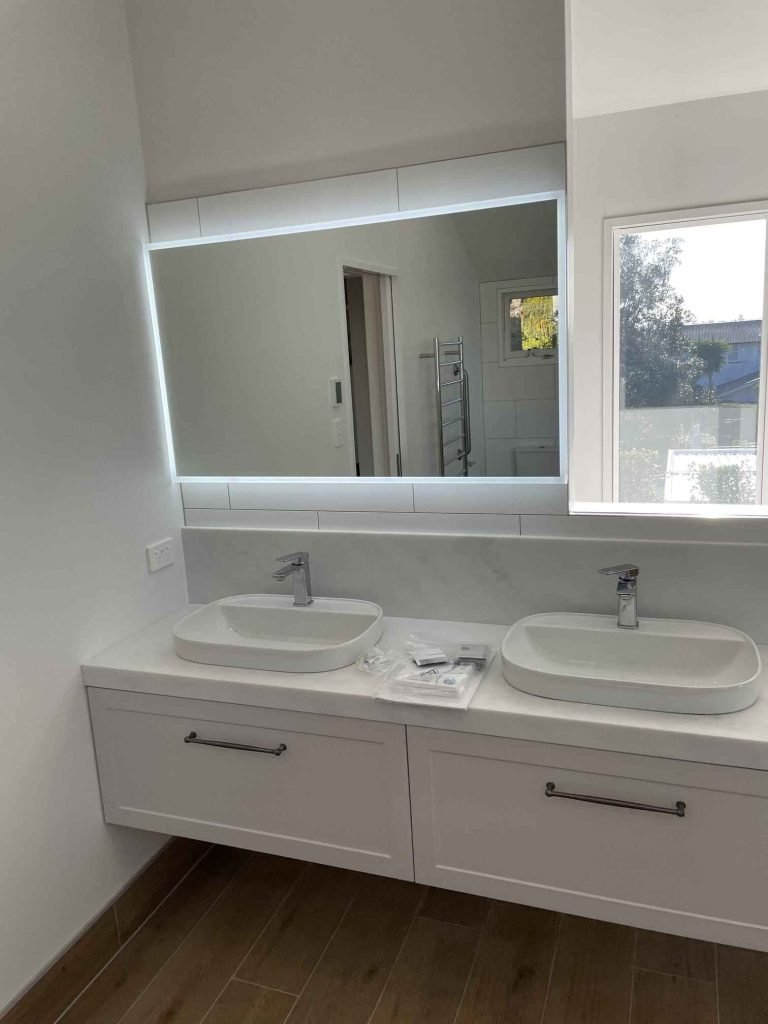
Understanding your budget limits your risk of overspending. Bathroom renovations in New Zealand typically range from $15,000 to $30,000, depending on the scale and quality of finishes.
Your budget should include materials, labour, demolition, plumbing, electrical, and a contingency fund of at least 10% for unexpected issues. Pricing can also vary based on access, the condition of the existing bathroom, and structural changes.
3. Measure and Assess Your Existing Bathroom
Take accurate measurements of your bathroom’s length, width, and ceiling height. Note where your plumbing, windows, and power outlets are. Assess whether the space has adequate ventilation or if there’s visible damage like mould or leaks. These factors will impact your renovation scope and material suitability.
4. Create a Design Plan
Now that you understand your space and goals, it’s time to map it out. Choose a layout that makes practical sense without forcing major plumbing changes, which can add cost. Think about how each element—vanity, toilet, shower, storage—fits into the available space.
Select materials that suit your climate and lifestyle. Choose tiles that are easy to clean, lighting that suits the mood and function, and colour schemes that create a feeling of openness or warmth.
5. Hire the Right Professionals
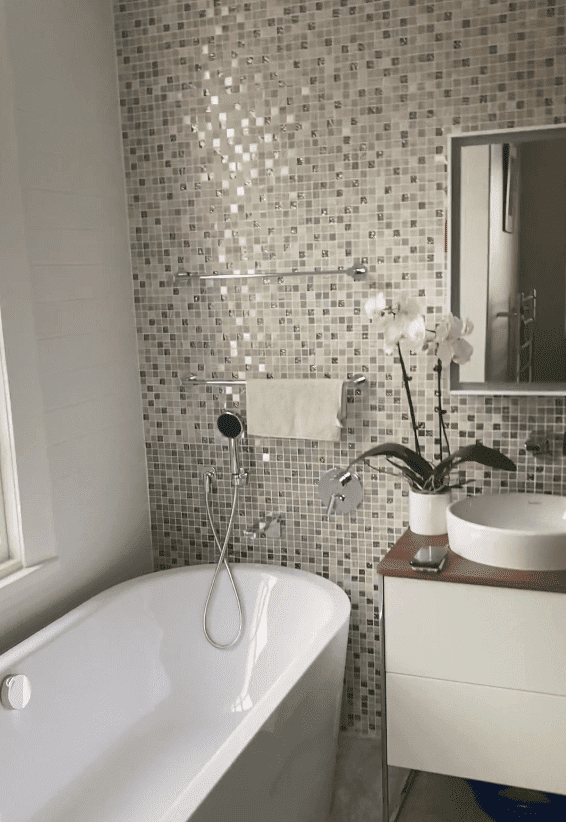
Engage licensed tradespeople who understand New Zealand’s building standards. You may need a bathroom renovator or a builder, plumber, electrician, tiler, and potentially a waterproofing specialist.
Always ask for recent references and check online reviews. Ensure they are familiar with local codes and can provide a clear quote detailing inclusions and exclusions. Avoid the temptation to cut costs with unlicensed or uninsured trades.
6. Secure Council Consent (If Required)
Not all bathroom renovations need council approval, but some do—especially if you’re making structural changes, moving plumbing, or altering ventilation. In Auckland and most NZ regions, you may need a building consent if you’re changing anything that affects health or safety.
Visit your local council’s website or talk to your contractor about the requirements. Skipping this step can lead to compliance issues later.
7. Order Materials and Fixtures
Once your design is locked in, order everything early. Some items, like specialty tiles or custom vanities, have long lead times. Delays in materials can hold up your entire renovation.
Check that all products meet NZ standards, particularly plumbing fixtures. Look for Water Efficiency Labelling (WELS) ratings, especially for taps, showers, and toilets.
8. Demolition and Preparation
Before any new work begins, the old bathroom needs to be stripped. This can include removing tiles, fittings, wall linings, and cabinetry.
Ensure the demolition area is sealed off to control dust and debris. Arrange for proper waste disposal through a skip bin or rubbish removal service. This stage can uncover hidden issues such as rotten framing or leaks, so stay flexible.
9. Plumbing and Electrical Rough-In
Now your bathroom is cleared, the trades can install new plumbing lines and run wires to their correct positions. This includes drainage, water supply, lighting, power points, and extractor fans.
These systems must be installed before walls and floors are sealed. All work should comply with the NZ Building Code and be checked before continuing.
10. Waterproofing and Substrate Installation
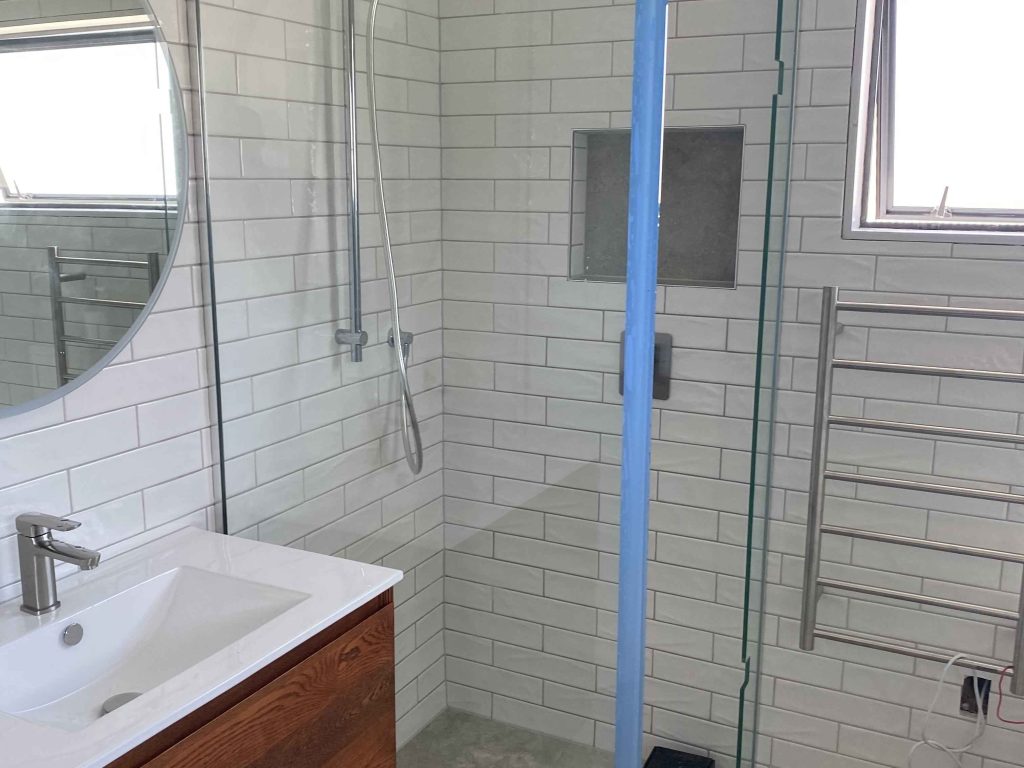
Once the plumbing and wiring are sorted, the waterproofing begins. Certified installers apply a waterproof membrane to walls and floors in all wet areas, including behind showers and under tiles.
This is a critical step and must be done properly to avoid future leaks or structural damage. After the waterproofing cures, substrates like fibre cement boards can be installed as a base for tiles.
11. Tiling and Surface Finishing
With the foundation in place, tiling can begin. This may include floor tiles, wall tiles, feature strips, or mosaics. A good tiling job provides both durability and a polished look.
After installation, all tiles should be grouted and sealed. For wet areas, choose slip-resistant flooring. Keep expansion joints in mind to prevent cracking later on.
12. Fit-Off and Final Installation
This is when your bathroom starts to look complete. Trades return to install vanities, mirrors, lights, power outlets, taps, towel rails, toilets, and shower screens.
All appliances and fittings should be properly tested for function, pressure, and safety. Install silicone seals around joints and wet zones to protect edges and corners.
13. Final Inspection and Clean-Up
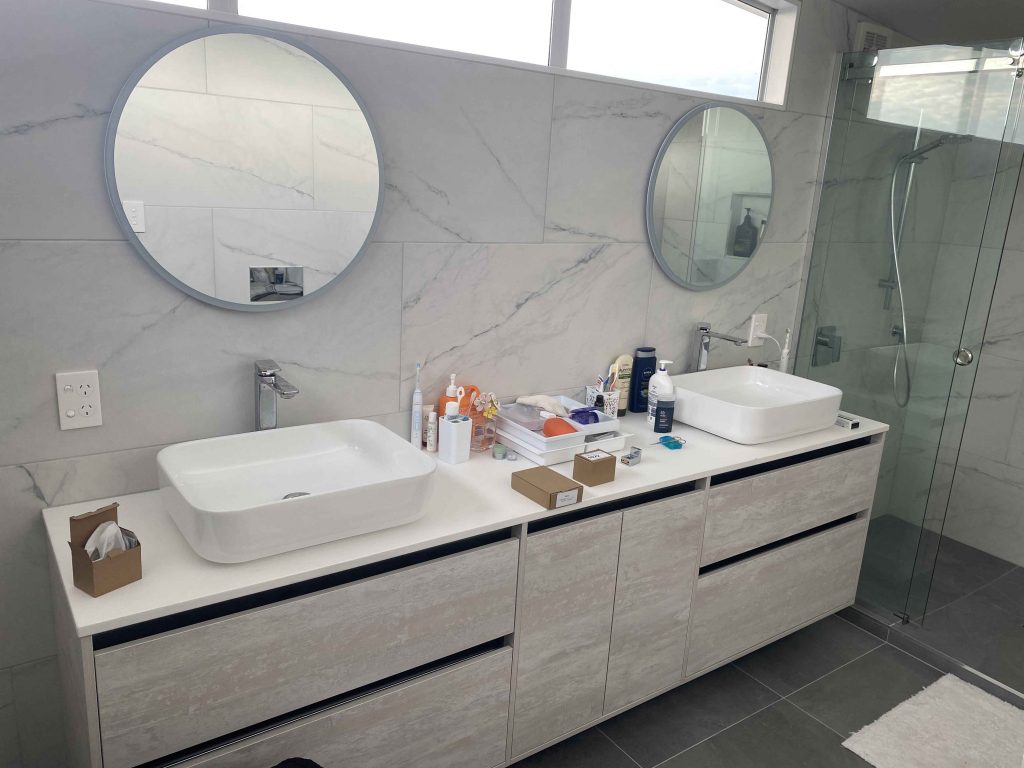
Do a final walkthrough with your contractor. Check that everything has been installed correctly and functions as expected. Look out for cosmetic issues like gaps, scratches, or uneven tile lines.
Ensure your contractor provides all certificates and documentation for plumbing, electrical, and waterproofing compliance. The site should be left clean and ready for use.
14. Maintenance Tips After Renovation
To keep your new bathroom in top condition, use proper cleaning products suited to your surfaces. Avoid harsh chemicals on stone or chrome.
Wipe down wet areas regularly and ensure fans or windows are used to manage moisture. Check seals and grout lines every few months and reseal as needed.
Free Download: Alchemy’s Bathroom Renovation Checklist
Use this downloadable checklist to stay organised throughout your renovation:
- Set renovation goals
- Finalise your budget
- Measure your space
- Design your layout
- Choose fittings and finishes
- Hire certified trades
- Obtain consents (if required)
- Order materials early
- Schedule demolition
- Monitor progress weekly
- Conduct final inspections
- Request compliance certificates
Frequently Asked Questions
1. Do I need a building consent for all bathroom renovations?
Not always. You only need consent if the work affects structural elements, plumbing, or waterproofing. Your builder can guide you on this.
2. Can I live in my home during the renovation?
Yes, but expect noise, dust, and restricted access to the bathroom. If it’s your only bathroom, arrange temporary solutions.
3. What adds the most value in a bathroom upgrade?
Modern fixtures, improved lighting, efficient ventilation, and quality tiling can increase appeal and resale value.
4. How can I keep costs down without compromising quality?
Keep your plumbing in the same location, avoid custom-built fixtures, and focus on essential upgrades.
5. How do I choose between a bath and a shower?
Showers save space and water. Baths are great for families and resale value. Choose based on lifestyle and space.
Conclusion
Bathroom renovations require thoughtful planning, the right professionals, and quality materials. Following a step-by-step process helps avoid surprises and keeps your project on track.
If you’re ready to renovate your bathroom in Auckland, the team at Alchemy Bathroom Renovations can help. We handle everything from planning to fit-off, ensuring your project runs smoothly and delivers lasting results. Contact us today for a free consultation.
