
Ensuite Bathroom Ideas for Compact Auckland Homes
A lot of Auckland homes don’t have a lot of space, but they don’t have to be uncomfortable. As more people look to upgrade their homes, adding ensuite bathrooms has become more common. No matter if you’re remodeling a townhouse in Albany or a villa in Mount Eden, a small footprint shouldn’t stop you from making a stylish and usable bathroom.
This guide has smart, space-saving suggestions to help you make a usable and elegant ensuite that fits in your small Auckland home.
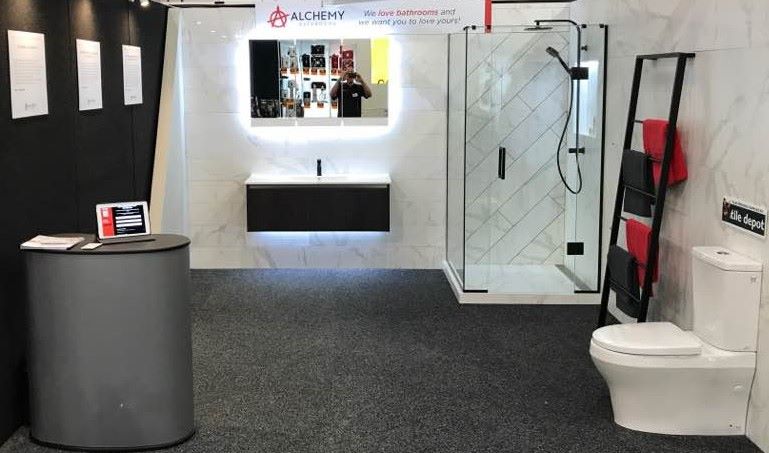
Know what you want and how much space you have
Before you choose tiles or fixtures, make sure to measure your ensuite area exactly. Get the room’s length, width, and height from the floor to the ceiling. You should also make a note of where the plumbing, doors, and windows are.
Think about how you plan to use the ensuite. Is it a shared space for a couple, for you, or for a guest? A private bathroom that is used every day needs more storage and usability than a guest toilet. You can utilize this knowledge to figure out what’s important and make clear goals.
Make two lists: one for things you want, like towel warmers or underfloor heating, and another for things you need, like a shower, storage, and a vanity. The two lists keep an Auckland ensuite renovation focused on what you will use every day, and give the quote a clear scope.
2. Choose a Smart Layout
When there isn’t much room, layout becomes very important. A well-planned layout improves movement and efficiency without making the room feel small.
The following arrangement ideas work well for small ensuites in Auckland:
The toilet and shower are in a single open space with a drain in the middle. This saves space and makes it easier to waterproof.
Corner Shower and Vanity: Putting units in corners frees up more space in the middle of the floor.
Wall-Hung Fixtures: Putting the toilet or vanity on the wall makes the room look bigger.
Sliding Entry Door: If you replace your swing door with a sliding door, you’ll have more room on the walls.
If you can, don’t move plumbing to save money and gain permission, especially in older properties in Auckland.
3. Compact Fixtures That Work
Choosing the right fittings might help you conserve space without losing functionality. There are several modern bathroom items that will fit in compact spaces.
Consider these options:
Wall-Hung Vanities: These make the room look bigger and let more light in.
Narrow-Depth Basins: Look for versions that are slim yet still work.
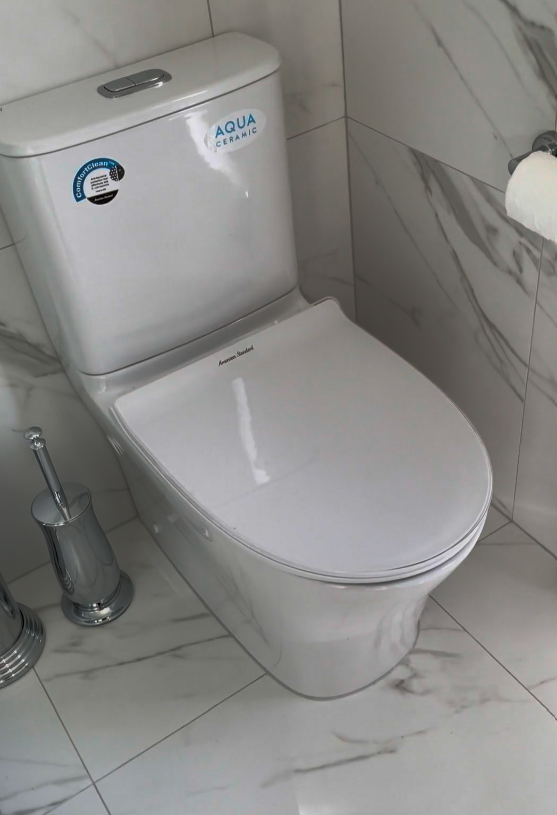
Back-to-wall toilets look nice since they are flush with the wall.
Concealed Cistern Toilets: These toilets hide the tank inside the wall to save space.
When you shop, check to see if the items match New Zealand requirements and seek for WELS ratings (Water Efficiency Labelling Scheme).
4. Use Vertical Space
When constructing a small ensuite, think about how it will seem from above and below. Walls have a lot of room for decorative elements and storage.
This is how:
Floating Shelves: Put open shelves for towels and toiletries close to the sink or over the toilet.
Tall Cabinets: Use tall, skinny storage containers to keep extra supplies without taking up floor space.
Recessed mirrored cabinets: These don’t stick out and give you a mirror and storage space.
Vertical towel rails take up less wall space and do a better job of drying towels.
Using height well keeps your ensuite tidy and free of clutter.
5. Light, Colour, and Reflection
The colors and lighting in a bathroom have a big effect on how big it feels.
This is how it works:
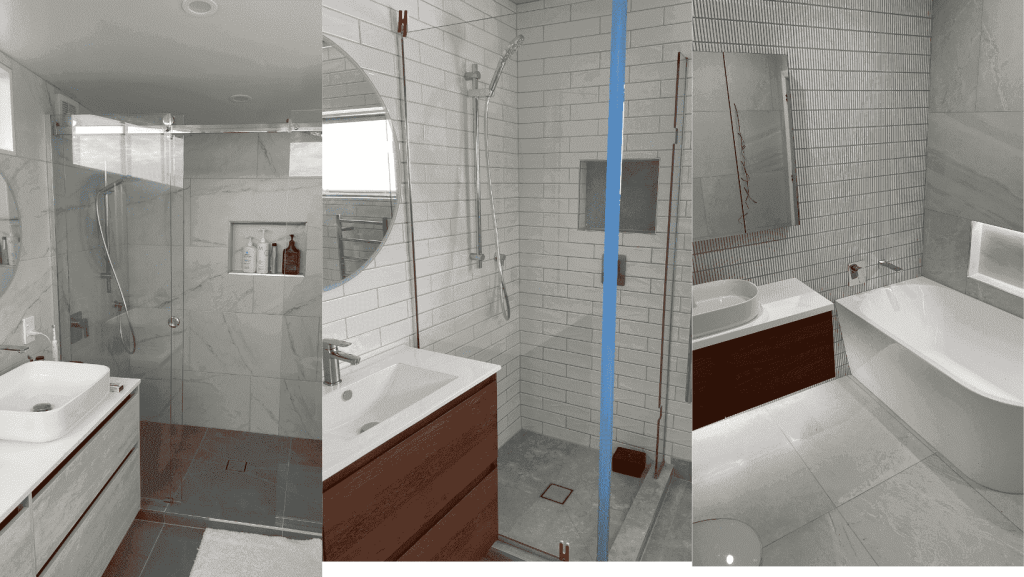
Light Colors: Stick to light grays, whites, or soft earth tones. These make areas look bigger by bouncing light off of them.
Large-Format Tiles: Fewer grout lines make things look less cluttered and more continuous.
Mirrors: A big mirror or mirrored cabinet may make a space feel bigger right away by bouncing back both natural and artificial light.
Frosted Glass: Use frosted glass for windows or doors to let light in while keeping your privacy.
These visual tactics make even the smallest ensuite appear big and peaceful.
6.Use sliding or folding doors
Compact bathrooms don’t have the space needed for regular swing doors to open and close. You can make key slots available by replacing them with smaller ones.
Some of the choices are:
Sliding Doors: Barn-style or surface-mounted sliding doors need a free wall outside, but they save room within.
Pocket doors drop into the wall cavity, making them great for very compact rooms.
Check to see whether you can put a pocket door on your wall. Some residences in Auckland may not be able to use this option because of structural walls or services.
7. Invest in Good Ventilation and Lighting
Small bathrooms create steam quite quickly. Mold and moisture can form if there isn’t enough ventilation, especially in Auckland’s humid environment.
Put in a high-quality extractor fan that is the right size for your room. Make sure the vent travels outdoors and not into the roof space.
For both ambiance and utility, arrange your lighting in layers:
Overhead lights provide off general light.
Task lighting: next to mirrors for grooming.
Accent Lighting: LED strips placed in recesses or behind cabinets create a mood.
consume LED lights that consume less energy to cut down on heat and power use.
8. Flooring and Wall Surface Tips
The surfaces you choose affect both how safe they are and how they look.
Always choose: for floors
Non-slip tiles are very important for making it less likely that people may slip in wet regions.
Low-Contrast Grout: Light tiles and light grout make the room look bigger.
Think of these things for the walls:
Full Height Tiling: Tiles that go all the way up to the ceiling make the space feel longer and protect it from dampness.
There are modern waterproof wall panels with few joints that are easy to put up.
Durability and ease of upkeep are quite important, especially in ensuites that get a lot of use.
9. Build with Auckland in Mind
Auckland homes face unique conditions—moisture levels, weather exposure, and varying building ages.
Keep these tips in mind:
Control of Moisture: You can’t skimp on the right waterproofing. Use certified installers who follow the rules set down in the NZ Building Code.
Insulation: Many older homes’ bathrooms don’t have enough insulation. When something is updated during a refurbishment, comfort goes higher.Council Consent: You may need building consent if you’re changing plumbing or drainage. Always check with Auckland Council or work with a builder who handles permits.
Avoid taking shortcuts that could cause difficulties with moisture or compliance later on. Use a precise checklist for your renovation project.
Conclusion
An ensuite bathroom doesn’t have to be enormous to be useful and stylish. With careful planning, space-saving fittings, and smart design, even the smallest Auckland ensuite can be comfortable and useful.
If you’re planning an ensuite renovation and need expert help, contact Alchemy Bathroom Renovations Auckland. Our team specialises in transforming small bathrooms into highly functional, attractive spaces that suit modern Auckland homes.
