
Ultimate Guide To Renovating Bathroom in Older Auckland Villas
Auckland is proud to possess several quaint villas built in the early 1900s. These homes have stood the test of time, filled with rich character details like high ceilings, wooden floors, and sash windows. In the case of the bathroom, though, most of these homes are starting to show their age. Old plumbing, poor ventilation, and less-than-ideal layouts are just a few problems that come to mind. If you are looking to renovate a bathroom in one of these villas, this article will guide you through what to expect—and how to get it done.
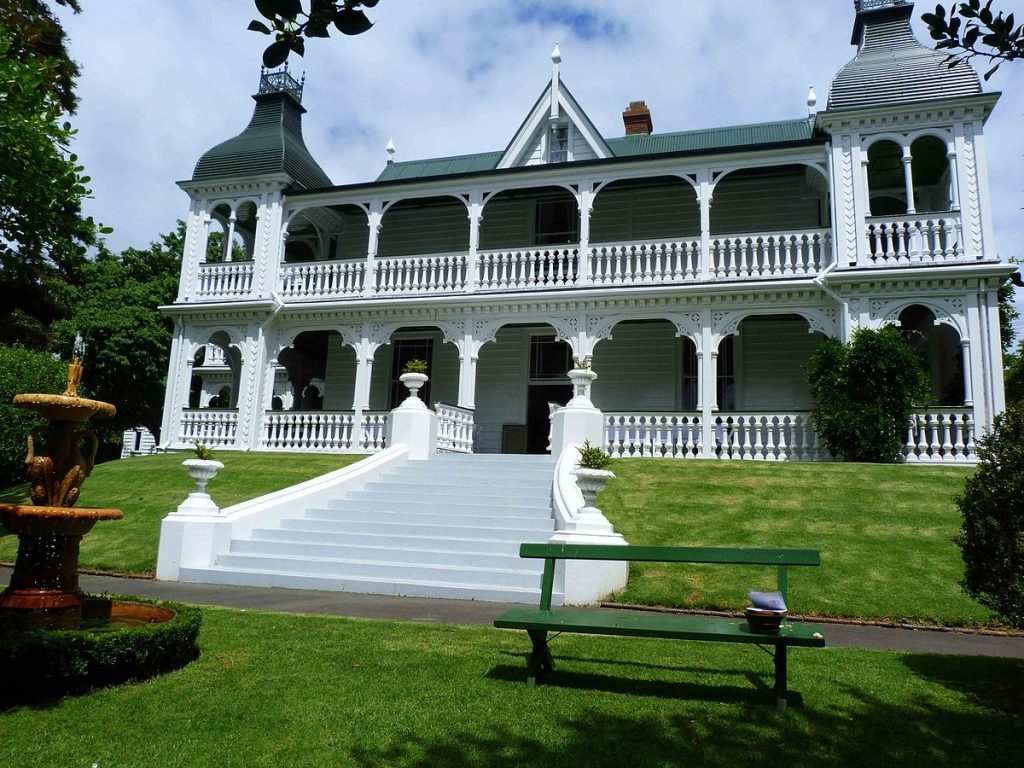
1. Getting to Know Auckland’s Villa-Style Homes
Auckland villas, especially those built between 1900 and 1930, possess a distinct look. They are mostly single-level wooden homes with high-pitched gabled roofs, decorative trim and complex wooden joinery. Inside, look for timber wall linings, decorative fireplaces, and panelled ceilings.
The villas were not built with modern plumbing in mind. Original bathrooms were often small, added later on, or located in extensions quite frequently. This creates issues—but also opportunities—when renovating.
2. Principal renovation problems in old villas
Obsolescent plumbing and drainage
Old villas can have original galvanised pipework, which deteriorates over time. Dismal water pressure and clogged drainage signify faulty plumbing. Complete pipework replacement in most cases is necessary. It involves the need to lift floorboards or to bust open walls, adding labour cost.
Structural issues
Over time, villas will experience sagging floors, warped walls, or water damage. Floors in bathrooms might need to be braced before heavy pieces like bathtubs or tiled showers are installed. Floor sag can also make waterproofing and tiling more difficult.
Electrical Upgrades
Homes from this era often have outdated electrical systems. During a renovation, you’ll likely need to upgrade wiring to meet current safety standards. This includes adding RCDs (residual current devices), which are now required in wet areas.
Poor Ventilation
Ventilation is a major issue in old bathrooms. Without a window system or extraction fan, the humidity builds up and promotes mould and rot. A contemporary fan ducted out should be included in every bathroom renovation in an old villa.
Odd Layouts and Limited Space
Original villa bathrooms are usually slender or unevenly shaped. Some were converted into lean-tos or corners that are no longer used. Ingenuity will be required when dealing with these areas—especially if you want a shower, vanity, and bath.
3. Balancing Modern Comfort with Heritage Style
One of the most important aims when renovating a villa bathroom is to modernize functionality without losing old-world character. You don’t have to choose between one or the other—good design can achieve both.
Save Where It Counts:
If the bathroom still has original skirting boards, stained-glass windows, or a clawfoot bath, these can be saved. If something cannot be saved, replace it with a sympathetic reproduction.
Blend Old and New:
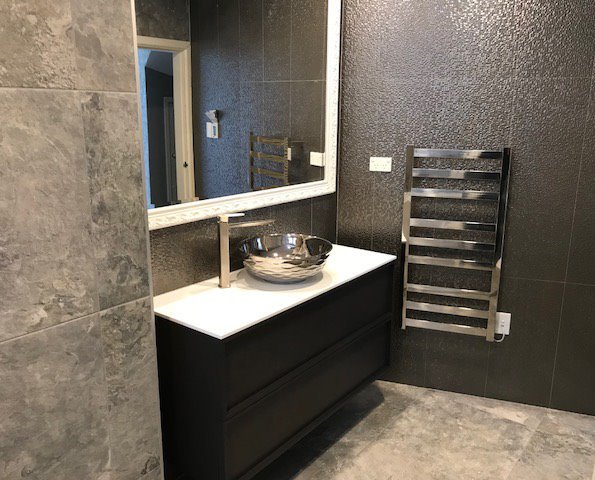
Mix heritage tapware and timber vanities with modern walk-in showers and underfloor heating. Matte black fixtures, tongue-and-groove linings, and subway tiles all work together in villa bathrooms.
Choose a Unifying Look:
Stick to a single harmonious palette. Neutrals with wood and brass embellishments can give a timeless yet contemporary look. Avoid über-modern motifs that fight against the character of the house.
4. Do You Need Consent or Heritage Approval?
Check that your villa is inside any special character overlay of the Auckland Unitary Plan before you start renovating. These overlays apply to the majority of suburbs, including Grey Lynn, Ponsonby, Mt Eden, and Devonport.
You May Need Building Consent If:
- You’re changing the layout.
- You’re moving or replacing plumbing fixtures.
- You’re undertaking structural work or opening up walls.
Overall, simple cosmetic renovations don’t require consent—but double-check with Auckland Council or get a renovation team familiar with local legislation anyway.
5. Smart Design Tips for Villa Bathrooms
Renovating a villa bathroom means compromising with your space. These design tricks will get the most out of your potential:
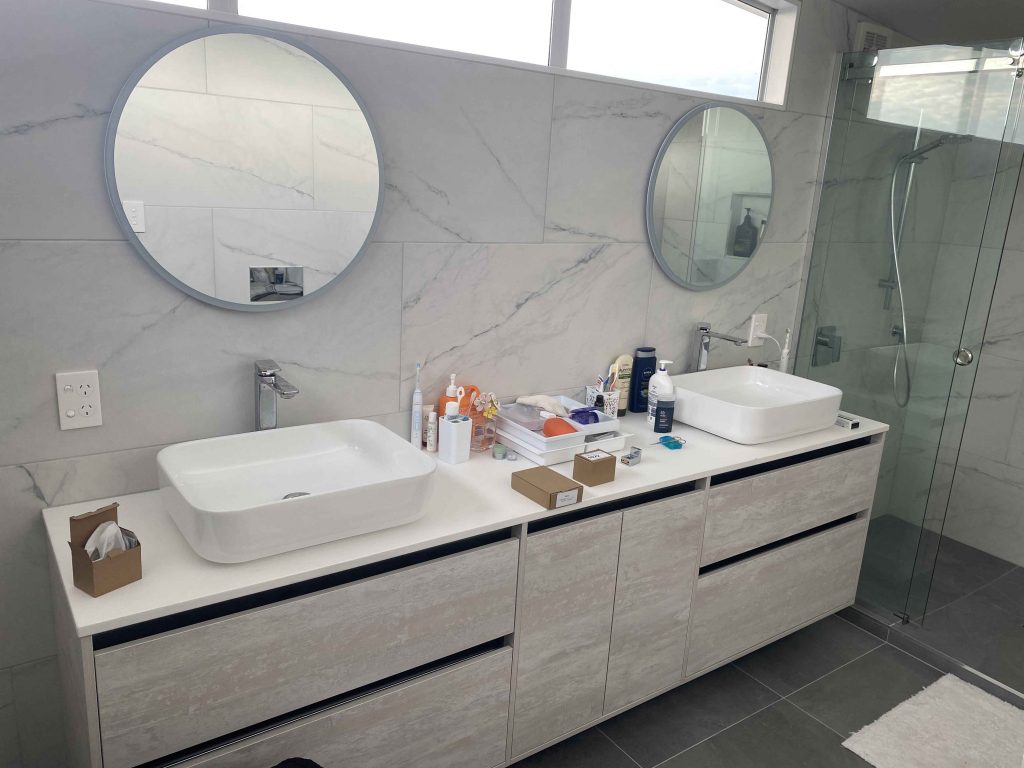
- Maximise Light: Use frosted windows or install a skylight to get maximum natural light without compromising on privacy.
- Wall-Mounted Vanities: Create the illusion of greater space and are easier to clean.
- Large Tiles: Less grouting makes small bathrooms appear larger and cuts cleaning time.
- Underfloor Heating: Old houses are normally cold. Heat makes them more comfortable and drier.
- Use Wet-Area Materials: Always use proper wet-area materials such as tile backers and waterproof membranes.
6. Budget Considerations and Typical Costs in Auckland
Bathroom refurbishments in older homes cost more than those in new homes. Here’s why:
- Replacement of old pipes and wiring involves labour and material costs.
- Underlying structural issues might not be apparent until building commences.
- Maintenance of heritage features requires specialist trades.
Average Bathroom Renovation Auckland Cost Range:
- Low-end cosmetic renovation: $15,000–$20,000
- Mid-range total renovation: $25,000–$35,000
- High-end heritage restoration: $35,000–$45,000+
To save money, prioritize functionality first. Consider where you can repurpose items or keep design choices simple without sacrificing quality.
7. Work with a Team Who Understands Villas
Bathrooms don’t behave the same in heritage villas as in a new construction. You need to hire a bathroom renovator team familiar with the quirks of character homes.
What to Keep in Mind:
- Experience with character homes.
- Knowledge of council rules.
- Identification of structural or concealed problems early on.
- Established good rapport with licensed builders, plumbers, and electricians.
We’ve undertaken villa restorations across Auckland at Alchemy Bathroom Renovations. We know the key to comfort, compliance, and character is in finding the right balance.
FAQs
May I keep my original clawfoot bath?
Yes—if it’s in good condition. You can re-enamel and repaint it for a fresh look.
Is asbestos a problem with villa bathrooms?
Perhaps. Some of the older linings have asbestos. Always test before you remove existing wall or floor coverings.
How long will the renovation process take?
Most villa bathroom renovations take 4–6 weeks, depending on the scale and condition of the home.
Do I need to insulate the bathroom during renovation?
Yes. Most villas were built without insulation. Adding insulation behind new wall linings or underfloor helps improve warmth and moisture control.
What flooring works best in villa bathrooms?
Tiled floors are ideal, but ensure the subfloor is flat and sound. In older villas, floors may need leveling or reinforcing first. Avoid vinyl sheet flooring if the subfloor is uneven.
Can I move the toilet or shower to a different spot?
Yes, but it will likely require council consent. Relocating plumbing fixtures involves drainage changes and may increase costs.
Will the renovation increase my home’s value?
Absolutely. A well-renovated bathroom in a villa can significantly boost resale appeal—especially in heritage suburbs like Grey Lynn or Mt Eden.
Is it possible to add a second bathroom in a villa?
Yes. Many homeowners convert part of a large laundry or extend at the rear. Layout planning and council consent are critical for these changes.
Should I keep the original windows?
If they’re in good condition, yes. You can retrofit with frosted glass or add secondary glazing for privacy and insulation. If replacing, use timber joinery to stay in line with the home’s style.
How can I improve ventilation without altering the villa’s exterior?
Use a ducted extractor fan that vents through the roof cavity. This avoids disrupting the external look of the villa while still managing moisture.
What’s the best way to waterproof an old villa bathroom?
Install a waterproof membrane across floors and walls in wet zones. Use tile backer boards and a licensed professional to meet Building Code standards.
Will renovating the bathroom affect other parts of the house?
Possibly. Electrical or plumbing upgrades might require access through adjoining rooms or ceilings. Your builder should explain any expected disruptions.
Can I live in the home during the renovation?
Yes, though it depends on the extent of work. If it’s your only bathroom, plan for short-term alternatives while plumbing is disconnected.
Bathroom renovation in an old Auckland villa is full of unique challenges—but it is also a chance to really increase the value of your property while still preserving its character. Proper planning and professional workers can help you create a bathroom that works beautifully for modern living and respects the home’s heritage.
Thinking of giving your villa bathroom a revamp? Get in touch with Alchemy Bathroom Renovations Auckland for a free consultation and expert advice.
