
The Ultimate Guide to Making Your Bathroom in Auckland Waterproof
One of the most crucial things to do when renovating a bathroom in Auckland is to make it waterproof. It keeps your home safe from mould growth, water damage, and expensive repairs. It is very important to have a waterproof bathroom in Auckland, where it rains and is humid most of the year.
This guide tells you all you need to know about waterproofing your bathroom in Auckland, including the laws, the best materials, and the best ways to do it.
What Is Waterproofing and Why It Matters
Waterproofing is the process of putting up a barrier that keeps water from getting into the structural parts of your home. In bathrooms, this means sealing the floor and lower wall spaces so that water can’t get behind the tiles or under the floorboards.
If waterproofing doesn’t work, water can get into the wood framing, subflooring, and wall linings. Over time, this can cause black mould, rot, and swelling. Sometimes, it can damage the structure of your home. You may be sure that your renovation investment is safe and sound for a long time if you waterproof it properly.
Auckland and New Zealand Building Code
Clause E3/AS1 of the Building Code in New Zealand says that all waterproofing in bathrooms must meet it. This clause deals with moisture inside. You could need building permission if you are putting in a new bathroom or changing the waterproofing system that is already there.
The Auckland Council usually needs to check and approve any wet area renovation that involves building improvements or new waterproofing work. If you live in a building with more than one unit, these requirements are much stricter because leaks can hurt other buildings next door.
A licensed building practitioner (LBP) must do or oversee the work to make it waterproof. This makes sure that it meets the code and gives you a Code Compliance Certificate (CCC) after the work is done.
Places That Need to Be Waterproofed
Some parts of a bathroom don’t need to be waterproofed, however the NZ Building Code says that some must. These are some of them:
- Walls and floors around bathtubs
- Behind and under vanities or basins
- Any section of the floor that could get wet
- Shower walls (at least 1.8 meters above the floor)
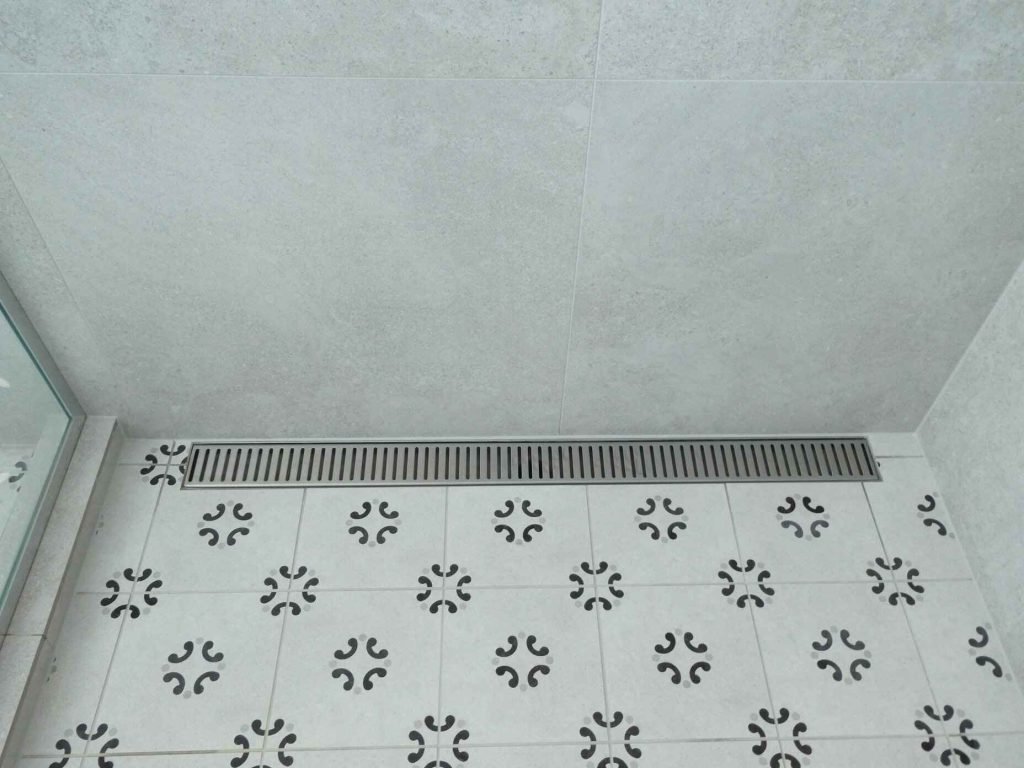
- Shower floors and at least 1.5 meters in front of the shower entrance
These restrictions apply to tiles, vinyl, and panels. Even if your bathroom looks dry, steam and splashes can get into places that aren’t protected and hurt things you can’t see.
Things You Need to Waterproof Your Bathroom
In Auckland bathrooms, there are a number of different waterproofing solutions that are often employed. Depending on your space, arrangement, and finish, each has its own benefits.
- Liquid Membranes: These make a smooth layer over surfaces when you use a brush or roller. A lot of people like them since they are easy to use and flexible.
- Sheet Membranes: Rolls that are already formed and fastened to surfaces. They are known for being strong and thick all the time, especially at joints.
- Bond Breakers: These are flexible tapes or sealants that are used where walls meet floors to stop cracking from movement.
All waterproofing materials sold in New Zealand must meet certain performance specifications. Find materials that have been rated by BRANZ or that have been given Codemark certification.
How to Waterproof Step by Step
This is how a pro usually makes a bathroom waterproof:
- Preparing the Surface
All surfaces must be clean, dry, and devoid of dust, oil, or any other coatings that are already there. - Priming
A primer is applied to improve adhesion between the surface and the waterproofing membrane. - Apply Bond Breakers
Used in corners and joints to absorb movement and prevent cracks in the waterproofing membrane. - First Membrane Coat
Applied evenly over the waterproof zone using a roller or trowel. Allow drying as per product instructions. - Second Coat
Applied at a right angle to the first coat to ensure full coverage. - Curing
The waterproofing membrane must cure properly—typically 24 to 48 hours—before tiling or flooring can begin.
Drying time may vary based on product type and Auckland’s seasonal conditions, so always follow the manufacturer’s instructions.
DIY vs Professional Waterproofing
While it’s tempting to take on waterproofing as a DIY task, it’s not recommended—especially in Auckland where compliance and performance are tightly regulated.
Only licensed professionals can issue warranties and compliance certificates. DIY jobs that fail can lead to insurance issues, costly repairs, and resale complications. A qualified Auckland-based waterproofing contractor will also know how to manage local conditions and council inspections.
Signs of Failed Waterproofing and What to Do
If you already have a bathroom and suspect problems, look for these early signs of failed waterproofing:
- Damp or musty smells
- Lifting tiles or bubbling paint
- Soft or swollen floorboards
- Cracks in grout or silicone
If you notice any of these, stop using the area and call a licensed tradesperson. Delaying repairs often makes the damage worse and more expensive to fix.
Waterproofing Tips for Long-Term Success
Here are simple ways to get the most from your waterproofing:
- Use only quality grout and silicone products designed for wet areas.
- Never drill into walls or floors once the waterproofing membrane is installed.
- Ensure your bathroom has proper ventilation—either a good extractor fan or window.
- If your home is more than 10 years old, have your bathroom checked before retiling.
Ongoing maintenance matters. A well-waterproofed bathroom still needs care to stay in top shape.
Conclusion
In a city like Auckland, where moisture is part of daily life, waterproofing your bathroom is a non-negotiable step. Doing it right protects your home, your health, and your investment.
If you’re renovating your bathroom or want to check the condition of your current waterproofing, talk to the team at Alchemy Bathroom Renovations Auckland. We work with licensed professionals to ensure every bathroom meets NZ code, passes council checks, and performs for years to come.
